Is Eating Late at Night Really Bad for Your Liver? Here's What Experts Say
“Something to Consider.”

BY STEPHNIE @the Brimly Test KitchenJune 21, 2026
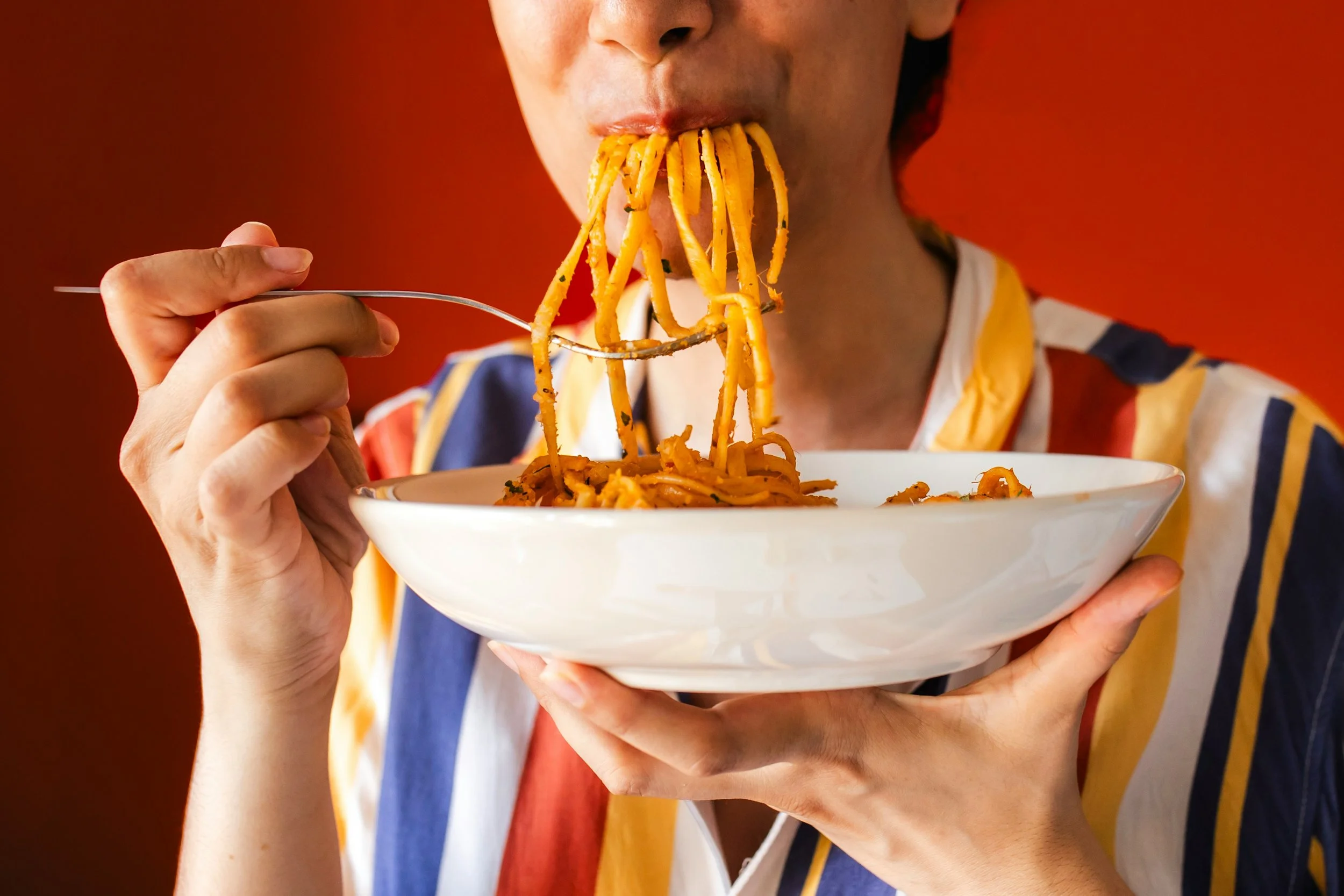
Image Source/Elena Helade


10 minute ReadINFO CONTENTFEATURE ARTICLEObjective VIEWWhat you eat matters, but when you eat may matter more than you think.
Your liver is one of the hardest working organs in your body. It filters out toxins, manages your blood sugar, stores energy, and processes nearly everything you eat or drink. Because it handles so much, your daily habits can have a real effect on how well it functions. Some of those habits are obvious, like heavy drinking. Others are far less obvious, and one of them happens at the dinner table. The habit we are talking about is eating late at night, and research is starting to show it may matter more for your liver than you would expect.
Studies now link chronic late-night eating to the same fat buildup and metabolic strain once attributed mainly to drinking, meaning your evening snack habit could be shaping your liver health far more than you realize. Here is what the science reveals about how late eating reshapes your liver, why the timing of your meals can matter as much as their content, and which small adjustments protect your health without sending you to bed hungry.

view:
LISTEN“The timing of your meals can matter just as much as what's on your plate.”— Image courtesy of Michael T
What your liver actually does at night
Like the rest of your body, your organs follow a biological clock known as a circadian rhythm. The liver is no exception. During the day, it works hard to process the food you eat, regulating your blood sugar and filtering out toxins. But at night, your liver expects a break.
What happens when the sun goes down? The liver shifts into maintenance mode. It focuses on repair and regeneration. When you eat a heavy meal late at night, you interrupt this natural rest cycle. You are essentially waking your liver up and asking it to do a full day's work when it is biologically programmed to sleep. Over time, this circadian misalignment makes the liver much less efficient at handling the nutrients you consume.
The link between late-night meals and blood sugar
How does late-night eating affect your blood sugar? Quite heavily. One of the liver's main jobs is to store and release glucose to keep your energy stable. But later in the evening, your body becomes naturally less sensitive to insulin, the hormone responsible for managing blood sugar.
When you eat at 10 p.m., your liver simply does not process sugar as efficiently as it would at 10 a.m. Research shows that eating a late-night meal causes a much higher blood sugar spike than eating the exact same meal earlier in the day. Frequent late-night eating forces your liver to struggle with this excess glucose, leading to poorer blood sugar regulation over time.
The fix is simple. Try shifting your heaviest meals to earlier in the day. Getting the bulk of your calories when your body is primed to process them helps keep your blood sugar steady and takes the pressure off your liver.
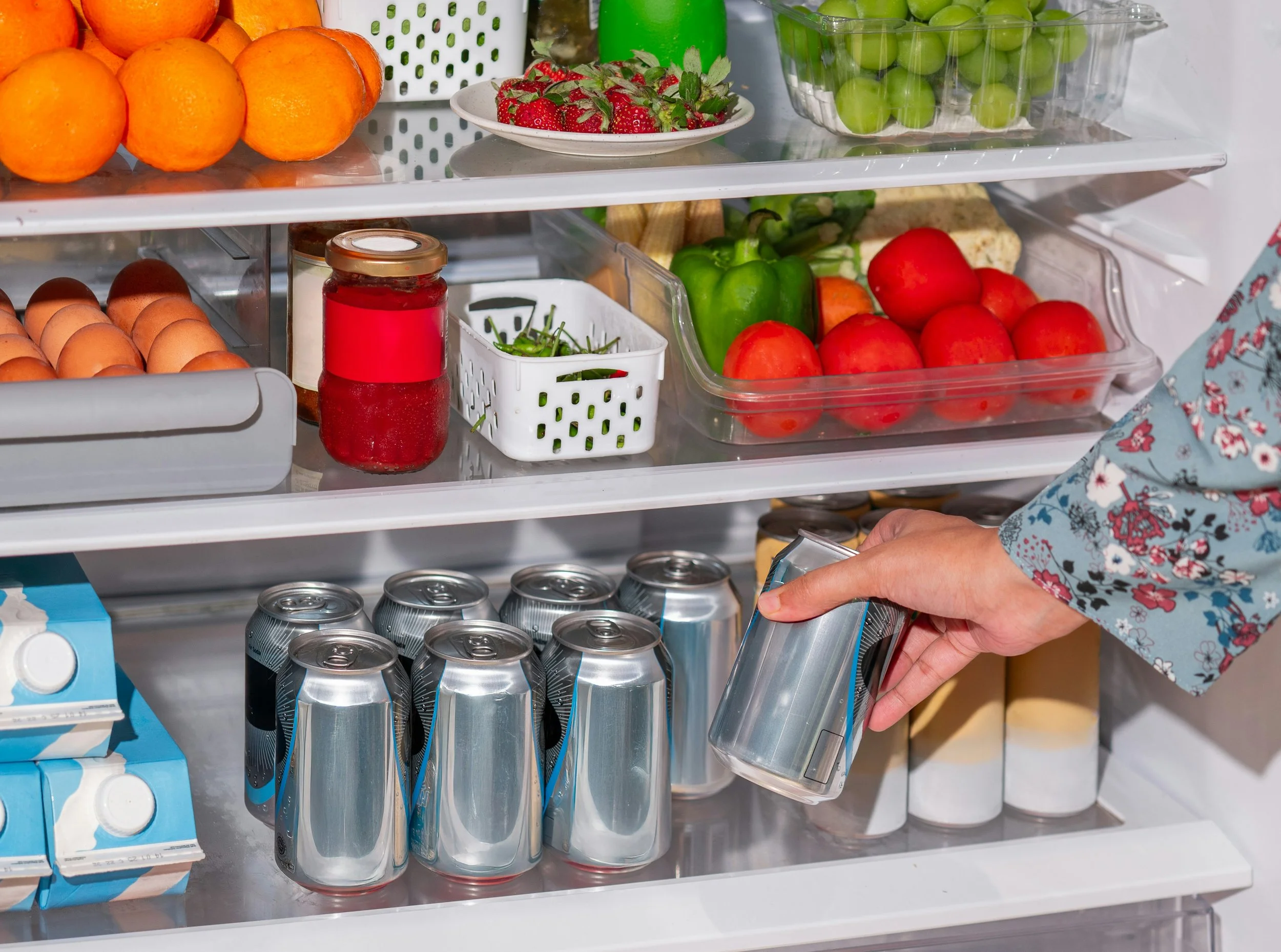
“That late-night bite may seem harmless, but timing can play a bigger role in liver health than many people realize.”— Image courtesy of Alim
Why late-night calories turn into liver fat
This brings us to the biggest concern experts have about eating late. Nighttime eating is strongly associated with an increased risk of fat buildup in the liver. Over time, this can lead to metabolic dysfunction-associated steatotic liver disease (MASLD), previously known as non-alcoholic fatty liver disease.
A recent study from the University of Oxford found that the metabolic changes driving this disease are most pronounced overnight. The researchers mapped how the body processes nutrients over 24 hours. They discovered that liver fat production actually increases overnight, while the body's overall ability to process fat and sugar plummets.
When you combine this impaired nighttime metabolism with a heavy evening meal, you create a perfect storm. The Oxford team called this a "double hit." The biggest energy load arrives at the exact time your metabolism is least equipped to handle it. As a result, the calories you consume right before bed are much more likely to be stored directly as fat in the liver.
None of this is meant to induce panic or shame, but rather to highlight a simple lifestyle tweak that could benefit your health. Fatty liver disease is incredibly common, and meal timing is a risk factor we can actually control. By eating earlier, you give your liver a chance to clear out fat rather than store it.

“A heavy meal late at night may be harder for your body to process.”— Image courtesy of Ben Iwara
What the research does not know yet
Is the clock the only thing that matters? Not necessarily. While the research on circadian rhythms is compelling, there are still some limitations to what we currently know. Many studies show a strong association between late eating and liver fat, but they cannot always prove that the timing itself is the sole cause.
People who eat late at night often reach for highly processed, sugary, or fatty comfort foods. It is hard to say exactly how much of the liver damage comes from the time on the clock versus the type of food being eaten. Furthermore, shift workers and natural night owls have different metabolic rhythms, meaning the "ideal" meal time might look different from person to person.
Still, the Oxford study noted a crucial detail. Even after participants lost weight and reduced their overall liver fat, their night time metabolic struggles persisted. This suggests that the time of day you eat really does play a primary role in liver health, regardless of what else you are doing right.

“Modern schedules don't always align with our body's internal clock.” — Image courtesy of Jayson Hinrichsen
Practical takeaways for a healthier routine
You do not have to overhaul your entire life to protect your liver. Small, sustainable changes make the biggest difference. Here is what experts recommend to keep your nighttime habits in check.
Eat dinner earlier: Aim to finish your last heavy meal a few hours before you go to bed. This gives your liver plenty of time to process the food while your metabolism is still actively running.
Close the kitchen: Set a firm boundary for yourself after dinner. Sometimes simply turning off the kitchen lights or brushing your teeth early serves as a powerful mental cue that eating is done for the day.
Choose snacks wisely: Going to bed uncomfortably hungry will just ruin your sleep. If you genuinely need an evening snack, skip the chips, cookies and heavy carbs. Reach for something easy to digest and satisfying, like a small bowl of plain Greek yogurt with berries or a single slice of whole-grain toast with peanut butter.
Prioritize your sleep: Staying up late naturally makes you want to snack. Getting to bed at a reasonable hour reduces the temptation to visit the pantry and directly supports your liver's repair cycle.

"A good night's sleep may help curb late-night snacking." — Image courtesy of Pablo Merchán Montes
The Bottom Line:
Our modern schedules often push dinner later and later, but our biology has not quite caught up. Eating right before bed disrupts your liver's natural rhythm, making it harder for your body to manage blood sugar and increasing the likelihood of fat storage. Try moving your meals a little earlier in the day, and let your liver get the rest it deserves. Making this one simple adjustment will help keep your metabolism running smoothly and your liver healthy for years to come.

SuggestedWe also cycled through multiple humidifiers…
Frequently asked questions:
Can eating late occasionally harm my liver?
An occasional late-night snack or delayed dinner will not cause permanent liver damage. The liver is a highly resilient organ. The risks associated with fat storage and blood sugar spikes come from chronic, repeated late-night eating that disrupts your circadian rhythm over months or years.
What is the absolute latest I should eat?
Most experts recommend finishing your last large meal at least two to three hours before going to sleep. If you usually go to bed at 10 p.m., try to wrap up dinner by 7 p.m. This provides your digestive system and liver enough time to process the food before shifting into nighttime repair mode.
Does it matter what I eat if I work night shifts?
Yes. Shift workers face unique metabolic challenges because their schedules oppose their natural circadian rhythms. If you work nights, focus on eating smaller, protein-rich, and easy-to-digest meals during your shift. Avoid heavy, high-fat, or sugary foods in the middle of the night, as your liver will still struggle to process them efficiently.
-
Brimly uses only high-quality sources, including peer-reviewed studies, to support the facts within our articles. Read our editorial process to learn more about how we fact-check and keep our content accurate, reliable, and trustworthy.
MORE TO READ

BY Brimly
BY Brimly
BY Brimly
BY Brimly