Gluten-Free GuideMonday
How to Have a Gluten-Free Thanksgiving (Without the Stress)
Gluten hides in the gravy, the stuffing, and even the turkey. Here’s where to look, the easy swaps, and a simple plan for the day.
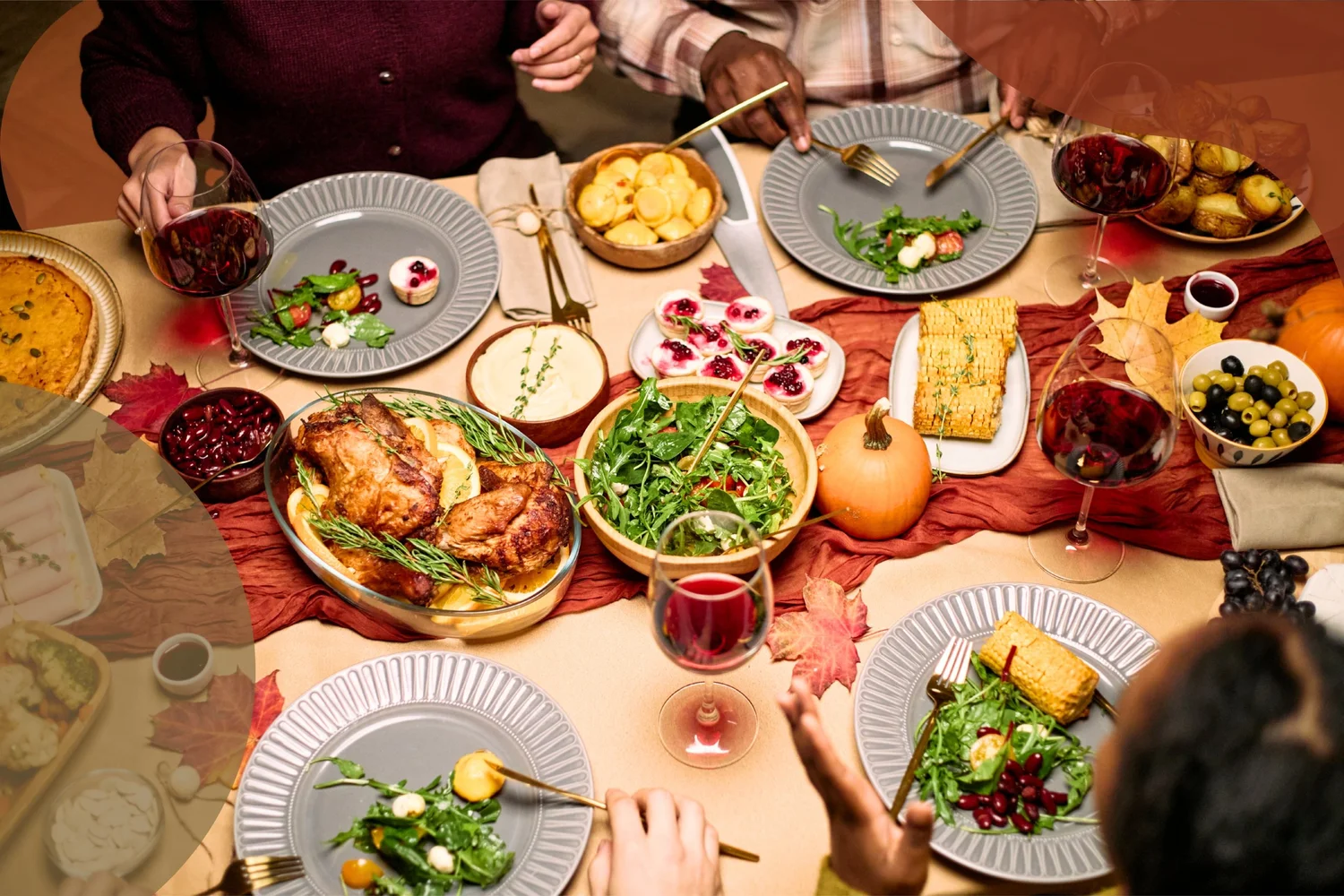
Gluten often hides in Thanksgiving gravy, stuffing, broth, green bean casserole, some pre-basted turkeys, and of course rolls and pie crust. Thicken gravy with cornstarch or potato starch, use gluten-free bread or cornbread for stuffing, choose broth labeled gluten-free, and bake your dessert from scratch. On the day, cook the gluten-free dishes first, give every dish its own serving spoon, and label what’s safe.
Thanksgiving is the one meal of the year where almost everything on the table has a little secret. The gravy, the stuffing, the green bean casserole, even the turkey itself can carry gluten in places you wouldn't think to look. For anyone eating gluten-free, that can turn the biggest food holiday of the year into the most nerve-wracking one.
It doesn't have to be that way. A gluten-free Thanksgiving is very doable, and with a little planning, nobody at the table has to eat anything different. Here's where gluten tends to hide on the holiday menu, the easy swaps, and a simple plan for the day itself.
Where gluten hides on the Thanksgiving table
- Gravy. Classic gravy is thickened with wheat flour, and most gravy packets and jars are too.
- Stuffing. Traditional stuffing is made with wheat bread, and boxed stuffing mixes almost always are.
- The turkey. A plain turkey is naturally gluten-free, but some pre-basted or pre-seasoned turkeys include flavorings or broth that can contain wheat. The little gravy packet tucked inside the bird often does too.
- Broth and stock. Some boxed broths and bouillon cubes use wheat for flavor or body. This one sneaks into gravy, stuffing, and soups.
- Green bean casserole. The canned cream soup is usually thickened with flour, and those crispy fried onions on top are coated in wheat.
- Rolls and pie crust. These are the obvious ones, but they matter because they shed crumbs onto everything around them.
- Marinades and glazes. Soy sauce, some Worcestershire sauces, and malt vinegar can all bring gluten along.
We went through the bigger list in Where Gluten Hides in Your Pantry, and it's worth a quick look before you shop.
Good to Know
Turkey and other meat products in the US are mostly regulated by the USDA, not the FDA, so they follow different labeling rules. Read the whole ingredient list on the turkey and on any broth, sausage, or gravy you buy, and look for a gluten-free label when you can.
Easy gluten-free swaps
- Gravy. Thicken it with cornstarch, potato starch, or arrowroot instead of flour. Mix the starch with a little cold water first so it doesn't clump.
- Stuffing. Use a sturdy gluten-free bread, cubed and dried out in the oven first so it holds its shape. A gluten-free cornbread makes a wonderful cornbread stuffing too.
- Green bean casserole. Make a quick cream sauce thickened with starch, and top it with gluten-free crispy onions or toasted almonds.
- Broth. Choose one that's labeled gluten-free.
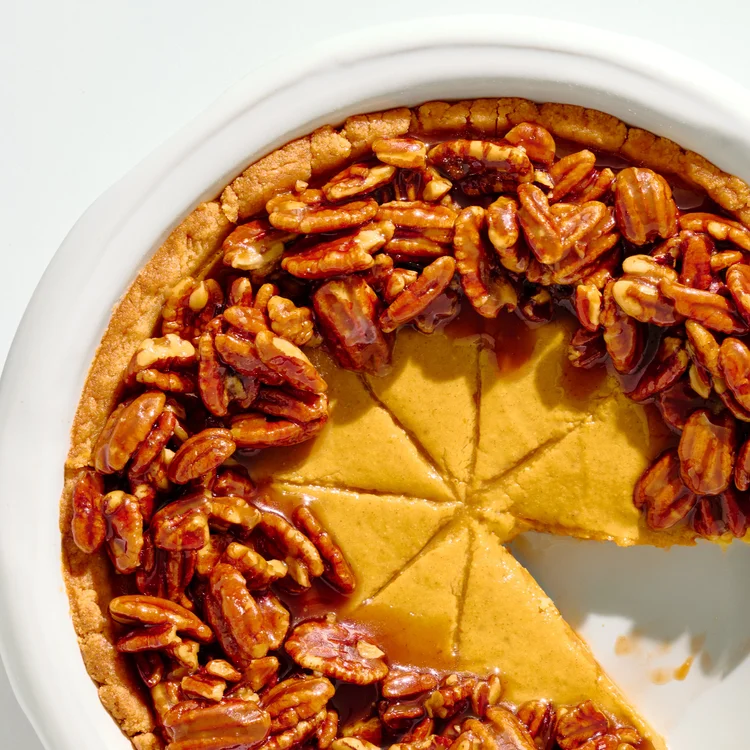
- Dessert. Bake a gluten-free pie from scratch so you know every ingredient. Our Gluten-Free Pumpkin Pie has an almond flour crust and no gums.
A lot of the table is naturally gluten-free already. Roasted vegetables, mashed potatoes made with butter and milk, sweet potatoes, cranberry sauce from fresh berries, and a plain roast turkey are all safe starting points.
A simple make-ahead plan
- A week before. Read the labels on everything you're buying, and set aside fresh, unopened packages of things like butter, sugar, and spices for the gluten-free dishes.
- Two days before. Make the cranberry sauce and dry out the bread for stuffing.
- The day before. Bake your pie. A custard pie like pumpkin needs hours in the fridge to set, so it's the perfect thing to make ahead.
- The morning of. Make the gravy base and assemble the stuffing, then bake it while the turkey rests.
Keeping it safe on the day
If some dishes on your table have gluten and some don't, a few habits keep everything safe.
- Cook the gluten-free dishes first, before any wheat flour or regular bread comes out.
- Give every dish its own serving spoon. A spoon that moves from the regular stuffing to the gluten-free one carries crumbs with it.
- Label the gluten-free dishes, and set them at one end of the table, away from the bread basket.
- Let the gluten-free guest go first at the buffet, before anything gets mixed up.
- Pack leftovers separately. Label them so nobody mixes them up later.
We covered this in more detail in Sharing a Kitchen With Gluten? How to Avoid Cross-Contact.
If you're the guest
- Talk to the host early. Let them know what you need a week or two ahead, so they aren't surprised on the day.
- Offer to bring a dish or two. A main side and a dessert you trust means you'll always have a full plate.
- Ask kindly about the details, like if the turkey was stuffed or how the gravy was thickened.
- Serve yourself first when you can, before spoons start traveling between dishes.
How Brimly can help
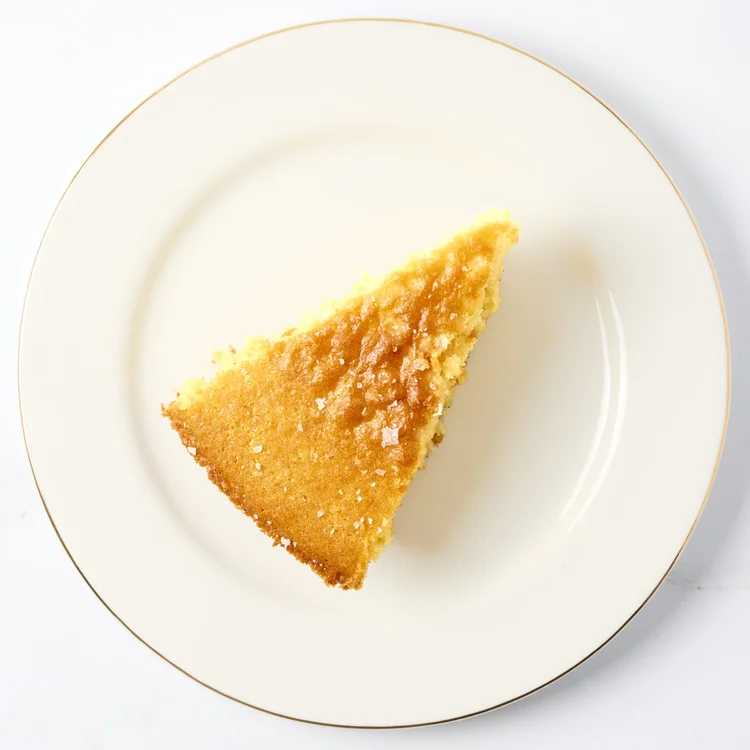
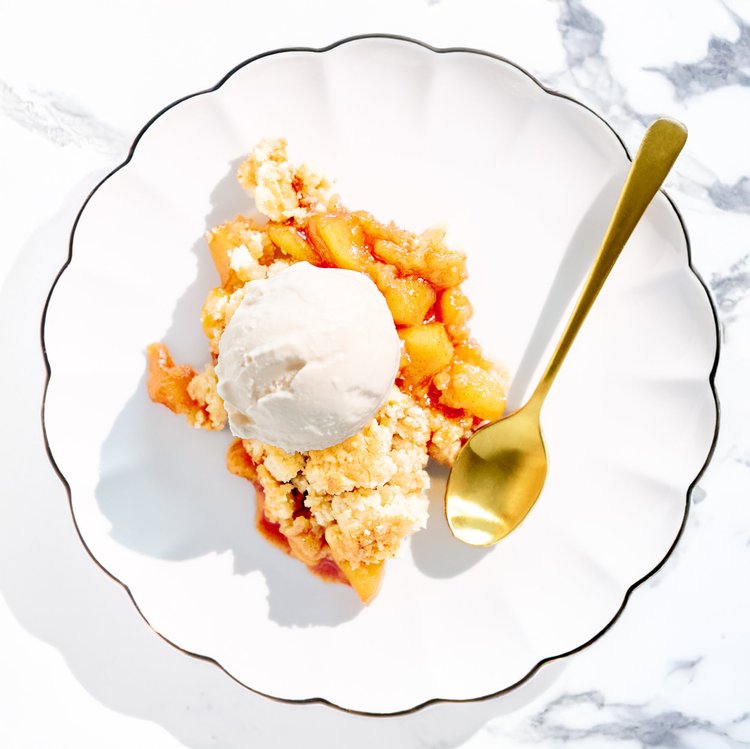
Every recipe on Brimly is gluten-free, gum-free, and soy-free, so you can bake for the whole table without making a separate version for anyone. Our Pumpkin Pie and Browned Butter Cornbread are both made for this time of year, and our Apple Pie Crumble is an easy second dessert. Everyone gets to enjoy the same food, and that's really the whole point of the day.
The Quick Recap
- Gluten hides in gravy, stuffing, broth, green bean casserole, some pre-basted turkeys, and marinades.
- Turkey labels follow USDA rules, so read the full ingredient list and look for a gluten-free label.
- Thicken gravy with cornstarch, potato starch, or arrowroot instead of flour.
- Use gluten-free bread or cornbread for stuffing, and bake dessert from scratch.
- Cook gluten-free dishes first, give every dish its own spoon, and label what’s safe.
- Guests can talk to the host early and bring a dish or two they trust.
This article is for general information and isn't medical advice. If you have celiac disease or another medical reason for eating gluten-free, your doctor or a registered dietitian is the best guide for your own needs.