Gluten-Free Guide
Why Starches Are A Gluten-Free Baking Secret
Sometimes the key ingredient could be hiding in your pantry.
How Cornstarch, Tapioca & Potato Starch Save the Day
Ever tried to bake a gluten-free loaf that doesn't crumble apart? If so, you know the struggle is real. Without gluten's natural elasticity, many recipes lean on xanthan or guar gum as a crutch for structure. But when we set out to create gum-free, gluten-free goodies at Brimly, we discovered an unlikely trio of heroes in our pantry: simple starches. Cornstarch, tapioca starch, and potato starch turned out to be the secret that gave our breads structure, our pie fillings and custards thickness, and even our fried chicken a perfect crunch.
(Side note: We have a whole article on why we don't use gums, but let's just say our stomachs are happier this way.)
So why starches?
For one, regular wheat flour is largely starch to begin with (about 75% starch, with the rest being protein). So when you remove gluten, it makes sense to lean on starches to help rebuild texture. Instead of relying on engineered binders, we looked at what these natural starches could do.
Let's dive into why cornstarch, tapioca starch, and potato starch have become essentials at the Brimly test kitchen, and how you can use them to level up your own gluten-free baking.
Cornstarch: “The Typical Pantry Staple”
Cornstarch, as the name implies, is the starch extracted from corn kernels.
Characteristics:
- Superfine
- Flavorless
- Used For Crispiness or Thickener
Cornstarch is a common thickener in many cuisines, used to give body to pie fillings, puddings, and sauces. Heat it with liquid, and it gelatinizes into a clear, glossy gel, making your fruit sauces and gravies silky-smooth. In fact, cornstarch thickens faster and is cleaner-tasting than flour, and it yields a clearer result.
How We Use It:
But beyond thickening, cornstarch can also create incredible crispiness. One of the greatest advantages of cornstarch is its ability to produce crispy coatings on fried foods. Tossing foods in cornstarch raises the proportion of starch in the coating. When fried, that extra starch absorbs moisture and then evaporates it, leaving behind a crunchy and delicious crust that stays crunchy even when sauced. Can someone say Gluten-Free General Tso's?
Tapioca Starch: “The Chewy Ally”
Tapioca starch comes from the cassava root, and it's a staple in many Latin American and Asian kitchens.
Characteristics:
- Superfine
- Flavorless
- Used To Create Chew
If you've ever had bubble tea with those springy boba pearls or a comforting bowl of tapioca pudding, you've experienced its chewy goodness. Our personal moment with tapioca starch was biting into a warm pão de queijo, which is Brazil's famous cheese bread. We soon learned that pão de queijo is naturally gluten-free, made with tapioca starch as the only "flour" in the dough, which explains that delightful elasticity. In gluten-free baking, tapioca is often dubbed "the tie that binds," lending chewiness and structure to doughs that might otherwise be dry or crumbly.
How We Use It:
Here, we used tapioca starch in fruit fillings and pie fillings. For instance, the apple filling in our Gluten-Free Apple Pie Crumble uses a touch of tapioca to thicken those juicy apples just enough, without veering into gluey territory. Tapioca's thickening is subtle and glossy, so your fruit pie isn't cloudy, and the filling sets up with a lovely sheen.
Potato Starch: “The Bread Maker”
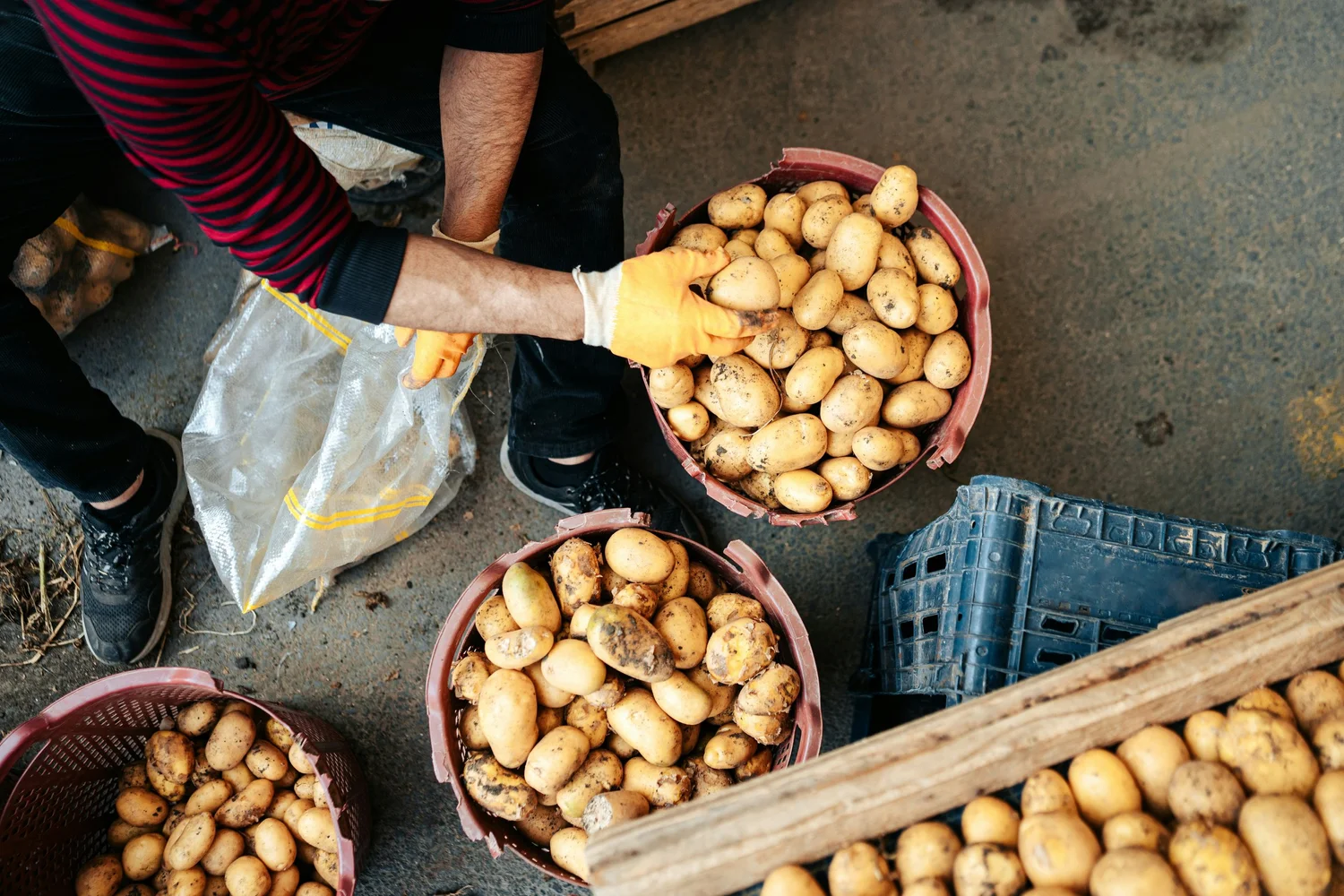
Potato starch is exactly what it sounds like: the starch extracted from potatoes (typically from the starchy water left over from processing spuds).
Characteristics:
- Superfine
- Flavorless
- Used For Softness & Structure
It's sold as a fluffy, snow-white powder. Importantly, potato starch is not the same as potato flour. Potato flour is made from whole dried potatoes and has a potato flavor, whereas potato starch is flavorless and purely the starch component. In gluten-free baking, potato starch is a workhorse for improving texture. It has a unique ability to contribute both softness and structure. Perhaps its biggest talent, though, is moisture retention. Potato starch excels at holding onto moisture in baked goods, which is fantastic when you're baking without gluten or gums. A touch of potato starch in a cake or bread can keep it moist longer and prevent the dreaded day-two dryness.
How We Use It:
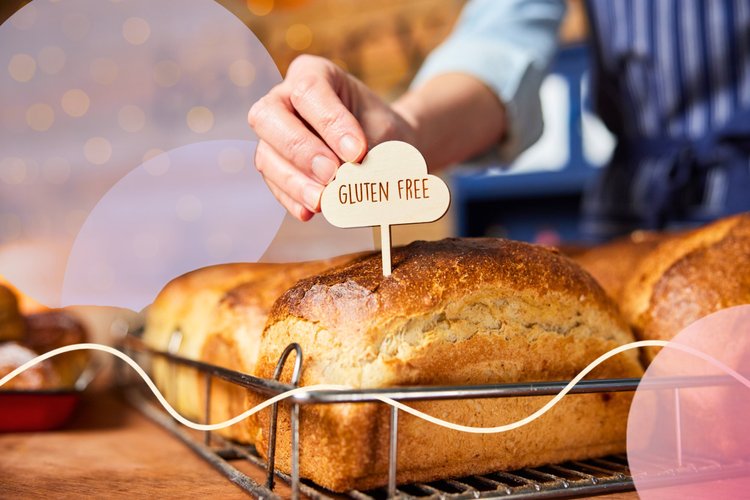
Currently, we adore using potato starch in recipes where tenderness is key. It's one of the all-star ingredients in our upcoming "Good Bread" (our soft, gluten-free sandwich loaf we've been developing). Early trials of that bread were a bit crumbly and dry, but when we worked potato starch into the flour mix, the difference was night and day. And while baking is our focus, it's worth noting potato starch's other culinary talents. Just like cornstarch, potato starch can easily thicken sauces, gravies, and pie fillings. It also has a legendary reputation in the frying world. Japanese and Korean cooks prize it for producing an ultra-crunchy coating that stays crispy longer (since potato starch absorbs less oil and moisture during frying).
Bringing It All Together: Starch to the Rescue
Who knew that three humble pantry staples could revolutionize gluten-free, gum-free baking?
- Cornstarch
- Tapioca starch
- Potato starch
These three pantry items may not sound as exciting as exotic ancient grains or fancy flour blends, but in practice, they've been essential to making recipes work. Each starch has its own personality: cornstarch adds crispness and polish, tapioca adds chew and stretch, and potato starch adds softness and moisture. By harnessing their strengths, you can recreate the textures you want without resorting to gums or other additives. The result is gluten-free baked goods that feel more natural in your mouth, with clean flavors and satisfying consistencies.
Give Starches A Try In Your Next Bake
If you've been frustrated by gluten-free recipes that call for xanthan or guar gum, consider trying a starch-powered approach. Maybe start by adding a tablespoon of cornstarch to your next gluten-free cookie or pie recipe to see how it lightens the texture, or use tapioca starch to thicken a fruit filling and notice the lovely sheen and cohesion it gives.
Try blending a bit of potato starch into your pancake mix or bread dough and enjoy the extra tenderness. These ingredients are relatively inexpensive and easy to find, and a little goes a long way, so they're low-risk, high-reward friends to play with.
Happy baking!
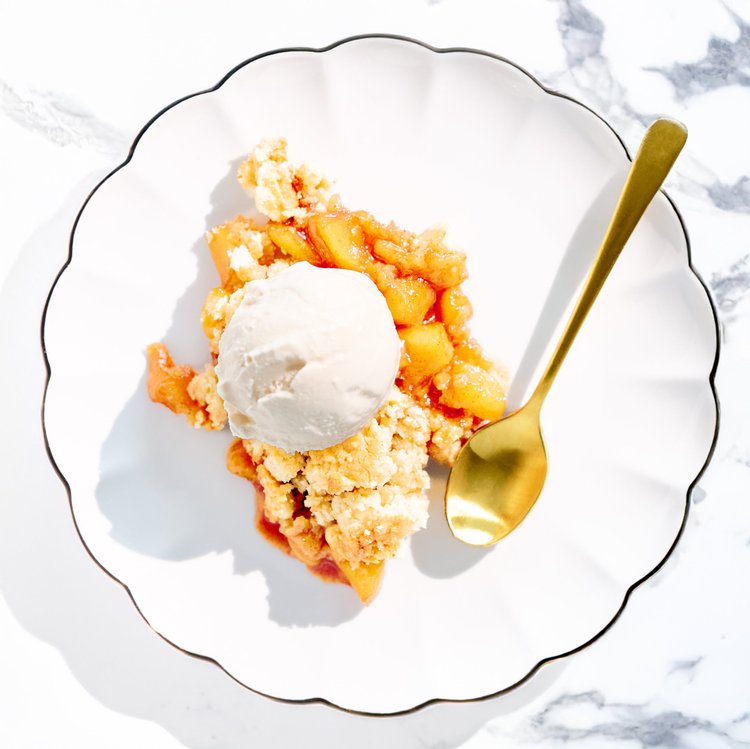 From the Recipe BoxNew To Using Starches, Check Out This Recipe For Our Gluten-Free Apple Pie Crumble To Get StartedSee the Recipe →



This article is for general information and isn't medical advice. If you have celiac disease or another medical reason for eating gluten-free, your doctor or a registered dietitian is the best guide for your own needs.