Gluten-Free GuideMonday
Are Oats Gluten-Free? What to Know Before You Buy a Bag
Oats don't contain gluten, but most regular oats aren't safe for a gluten-free kitchen. Here's why, and how to shop for the right bag.
Pure oats are naturally gluten-free. The trouble is what happens on the way to the store. Oats are usually grown, harvested, and milled alongside wheat, barley, and rye, so regular oats often pick up gluten along the way. If you eat gluten-free, buy oats that are labeled or certified gluten-free. A small number of people with celiac disease also react to a protein in oats themselves, so check in with your doctor if oats are new to you.
Oats might be the most confusing thing in the whole gluten-free aisle. They're a whole grain, they show up in half the breakfast foods on the shelf, and the internet can't seem to agree on them. One site says they're fine. Another says avoid them completely. A friend swears by her overnight oats, and your cousin with celiac disease won't touch them.
The good news is that the real answer is pretty simple once you see the whole picture. It comes down to two things: what oats are made of, and where they've been.
Do oats have gluten in them?
Not in the way wheat does. Gluten is the name for a group of proteins found in wheat, barley, and rye. Those are the grains people with celiac disease and gluten sensitivity need to avoid.
Oats have their own protein called avenin. It's related to gluten, a bit like a distant cousin, but it's built differently, and the large majority of people with celiac disease can eat it without a problem. So on paper, a pure oat is a gluten-free grain.
The catch is that very few oats ever stay pure on their own.
So why aren't regular oats gluten-free?
It's all about cross-contact, which is the fancy term for gluten sneaking in from somewhere else. Oats run into wheat, barley, and rye at almost every step:
- In the field. Farmers often rotate crops, so last year's wheat field can be this year's oat field, with stray wheat plants coming up in the rows.
- At harvest. The same combines, trucks, and storage bins tend to handle several grains.
- At the mill. Many mills process oats on the same equipment as wheat and barley.
None of that is a problem for most people. For anyone who needs to be gluten-free, it adds up fast. Independent testing over the years has repeatedly found gluten in regular, unlabeled oats, sometimes at levels well above what's considered safe. That's why a plain canister of oats isn't something we'd ever reach for in a gluten-free kitchen.
What "gluten-free" on an oat label actually means
In the United States, the FDA says any food labeled gluten-free has to contain less than 20 parts per million of gluten. That's a tiny amount, and it's the level most people with celiac disease can handle.
Oat companies usually get there in one of two ways:
- Purity protocol oats. These are grown and handled with gluten kept out from the very start: clean seed, dedicated fields, dedicated equipment, and testing along the way.
- Sorted oats. These start as regular oats and are run through machines that sort out stray wheat and barley grains, then tested to make sure they come in under the limit.
Both can carry a gluten-free label. Some people prefer purity protocol oats for extra peace of mind, especially if they're very sensitive. You'll also see certification seals from third-party groups on some bags. Those groups test products on their own, and some hold brands to an even stricter limit than the FDA does.
Good to Know
The rules are different around the world. Australia and New Zealand, for example, don't allow oats to be labeled gluten-free at all. If you're traveling or ordering from another country, read the label with that in mind.
Can everyone who eats gluten-free have gluten-free oats?
Most people can, but not everyone. A small percentage of people with celiac disease react to avenin itself, even in perfectly clean, certified oats. There's no way to know ahead of time who those people are, which is why celiac organizations usually suggest bringing oats back slowly and with your doctor in the loop.
Oats are also high in fiber. If your body isn't used to them, a little tummy grumbling in the first week can just be the fiber talking. It's worth knowing the difference, and it's another good reason to start with small portions.
And if you avoid gluten because of a wheat allergy rather than celiac disease, your needs may look a little different. Your doctor or an allergist is the best person to help you sort that out.
How to shop for oats in a gluten-free kitchen
- Look for "gluten-free" on the package, ideally on the front. If it doesn't say it, assume it isn't.
- Oat flour counts too. Regular oat flour has the same cross-contact problem as regular oats.
- Check the oat-based extras. Granola, oat milk, oat bars, instant oatmeal packets, and oat cereals all need a label check. Some are gluten-free and some aren't, even within the same brand.
- Skip the bulk bins. Shared scoops and neighboring bins of wheat products make them a gamble.
- Watch for "made in a facility" notes. They're voluntary, but they tell you something about how the product was handled.
- Keep them separate at home. If your kitchen isn't fully gluten-free, give your oats their own labeled container and their own scoop.
Baking with oats when you're gluten-free
Once you've got a good bag of gluten-free oats, they're one of the most useful things in the pantry. They bring a toasty, nutty flavor and a soft, tender bite that gluten-free baking can really use.
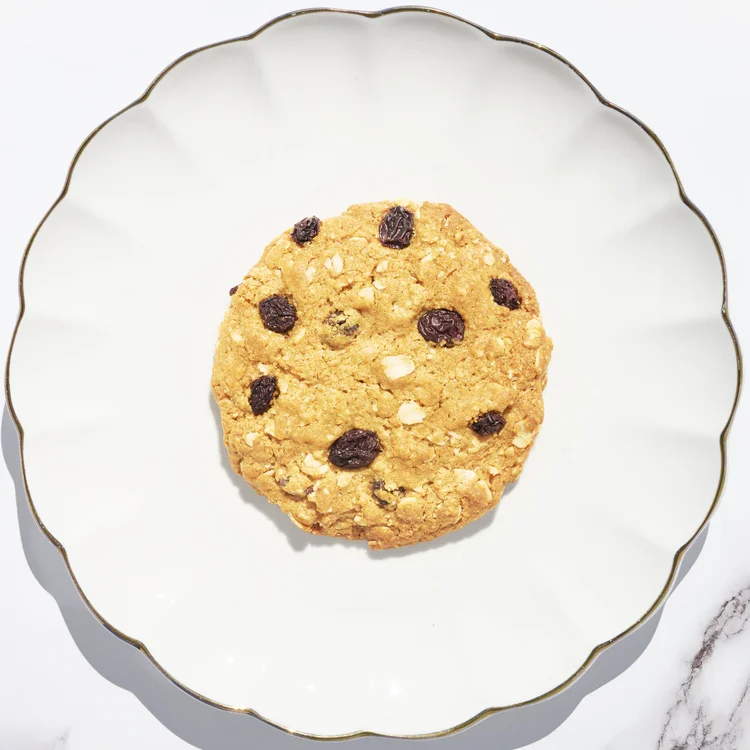
Here's a trick we love: you don't have to buy oat flour at all. Gluten-free rolled oats blitzed in a blender turn into fresh oat flour in under a minute. That's exactly how the oat flour for our Gluten-Free Oatmeal Raisin Cookies comes together.
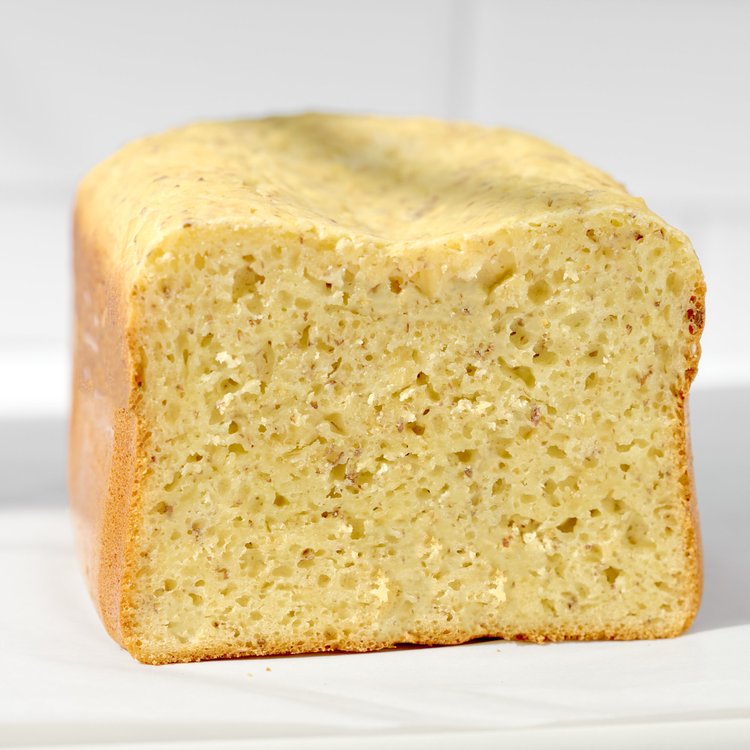
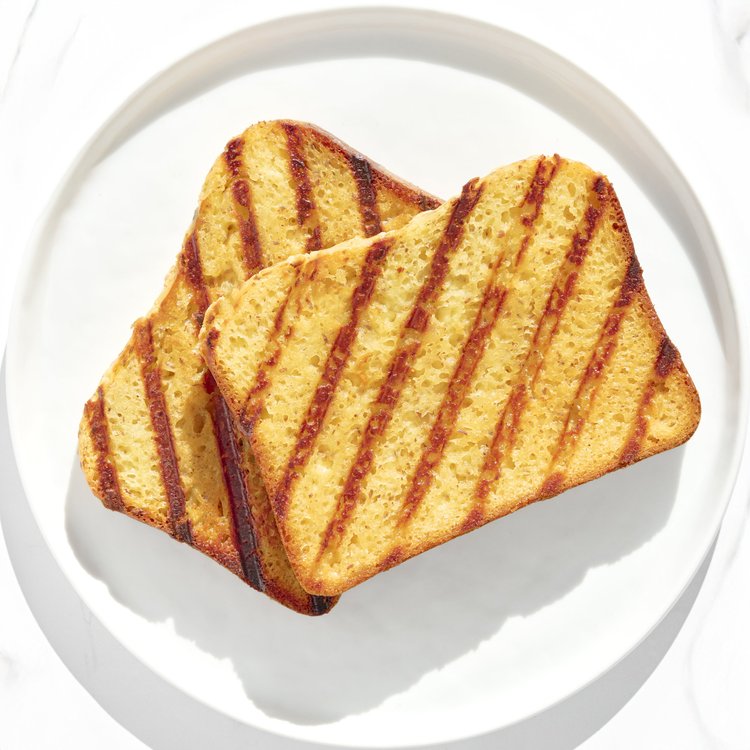
Whole rolled oats are lovely in bread, too. In our Gluten-Free Honey Oat Bread Machine Loaf, rolled oats go right into the batter and give the loaf a softer, more bendable crumb than a plain sandwich bread. It's the one we make for egg salad and PB&J.
One thing to keep in mind: oat flour soaks up liquid and adds tenderness, but it doesn't replace the structure that gluten gives a bake. It works best as part of a blend, which is how you'll see it used in our recipes.
The Quick Recap
- Pure oats don't contain gluten. They contain avenin, which most people with celiac disease tolerate.
- Regular oats are usually cross-contacted with wheat, barley, or rye, so they aren't safe for a gluten-free diet.
- Buy oats and oat flour labeled or certified gluten-free.
- A small number of people react to oats themselves, so introduce them slowly and talk to your doctor.
- Gluten-free rolled oats make great homemade oat flour in a blender.




This article is for general information and isn't medical advice. If you have celiac disease or another medical reason for eating gluten-free, your doctor or a registered dietitian is the best guide for your own needs.