Gluten-Free GuideWednesday
Are All Gluten-Free Flours the Same? How to Pick a Blend That Works
Two bags can both say gluten-free all-purpose and bake up completely differently. Here’s what’s inside a blend and how to choose one.

No, they really aren’t. A gluten-free flour can be a single flour, like rice or almond, or a blend of flours and starches. Blends differ in what they’re made from, and some include gums like xanthan while others don’t. Those differences change how a bake turns out, from texture to how much liquid the batter needs. For the most reliable results, use the flour your recipe was tested with, or pick one blend and stick with it.
The first time most of us bake gluten-free, we assume the flour aisle works the same way it always has. A bag that says gluten-free flour should do what regular flour does, right? Then one cake comes out perfect, the next one comes out gritty or gummy, and it turns out the only thing that changed was the brand.
That isn't bad luck. Gluten-free flours really are different from each other, much more than wheat flours are. Once you know what's inside the bag, it gets a lot easier to choose one and to understand what your recipe is asking for.
Why there's no single gluten-free flour
Wheat flour does a lot of jobs at once. Its proteins form gluten, which gives dough stretch and structure, and its starch sets as it bakes. We dug into that in What Does Gluten Actually Do?
No gluten-free flour can do all of that on its own. Rice flour bakes up crumbly by itself. Tapioca starch on its own turns chewy and stretchy. Almond flour brings richness but no real structure. So most gluten-free baking uses a team of flours and starches, each covering a different job.
What's usually inside a gluten-free blend
- Base flours. These give a bake its body and most of its flavor. Common ones are white and brown rice flour, sorghum, millet, oat, buckwheat, and bean flours.
- Starches. Potato, tapioca, corn, and arrowroot starch keep bakes light and tender instead of dense. We explained why in Why Starches Are A Gluten-Free Baking Secret.
- Binders, sometimes. Many blends add xanthan gum or guar gum to help hold things together. Not all of them do.
- Extras, occasionally. Some blends include milk powder, and self-rising blends include baking powder and salt.
Two bags can both say "all-purpose" and have completely different ingredient lists, which is exactly why they behave differently.
"All-purpose" versus "1-to-1" blends
This is the difference that matters most when you're following a recipe.
1-to-1 blends, sometimes called cup-for-cup or measure-for-measure, are designed to swap straight into a regular wheat recipe. To make that work, they almost always include xanthan gum to stand in for the structure gluten would have given. King Arthur's Measure for Measure flour is one example.
All-purpose gluten-free blends often leave the gum out. King Arthur's Gluten-Free All-Purpose Flour, for instance, doesn't contain xanthan gum. These blends expect the recipe to supply its own structure, through eggs, extra starch, flaxseed, or a binder you add yourself.
That second kind is the one we use at Brimly. We don't bake with gums at all, so our recipes are built to get their structure from other places. If you're curious why, we wrote about it in Why We Don’t Use Xanthan Gum (or Any Gums) at Brimly.
What changes when you swap one blend for another
- Texture. A blend with gum usually makes a bake firmer and a little tighter. If you use one in a recipe written for a gum-free flour, expect a slightly denser crumb.
- How much liquid it drinks. Bean flours, oat flour, and blends heavy in brown rice soak up more liquid than starch-heavy blends, so a batter can come out thicker or thinner than the recipe intended.
- Weight per cup. Gluten-free flours pack very differently, so one cup of one blend can weigh noticeably more than a cup of another. Weighing in grams takes that guesswork away. There's more on that in Do You Really Need to Sift Gluten-Free Flour?
- Flavor. Bean flours can taste earthy, sorghum is mild and a little sweet, and buckwheat is deep and nutty.
- Grittiness. Some rice flours are ground more coarsely than others. A finer grind gives a smoother bite.
Good to Know
Almond flour and coconut flour aren't blends, and they aren't simple swaps for one. Almond flour adds moisture and richness but very little structure, and coconut flour soaks up a huge amount of liquid. Use them only when a recipe calls for them by name.
How to pick a blend that works for you
- Read the ingredient list, not just the front of the bag. It tells you what's doing the work.
- Check for gums if you avoid them, or if your recipe was written without them.
- Look for a gluten-free label or certification, especially on blends that include oat flour.
- Match the recipe when you can. If a recipe names a specific flour, that's what it was tested with.
- Pick one and stick with it. Using the same blend every time is the fastest way to learn how it behaves in your kitchen.
- Weigh your flour. It makes your results far more consistent from one bake to the next.
How we use flour at Brimly
Nearly every recipe on Brimly is tested with King Arthur Gluten-Free All-Purpose Flour, the version without xanthan gum. It gives us a reliable base, and we build the rest of the structure ourselves.
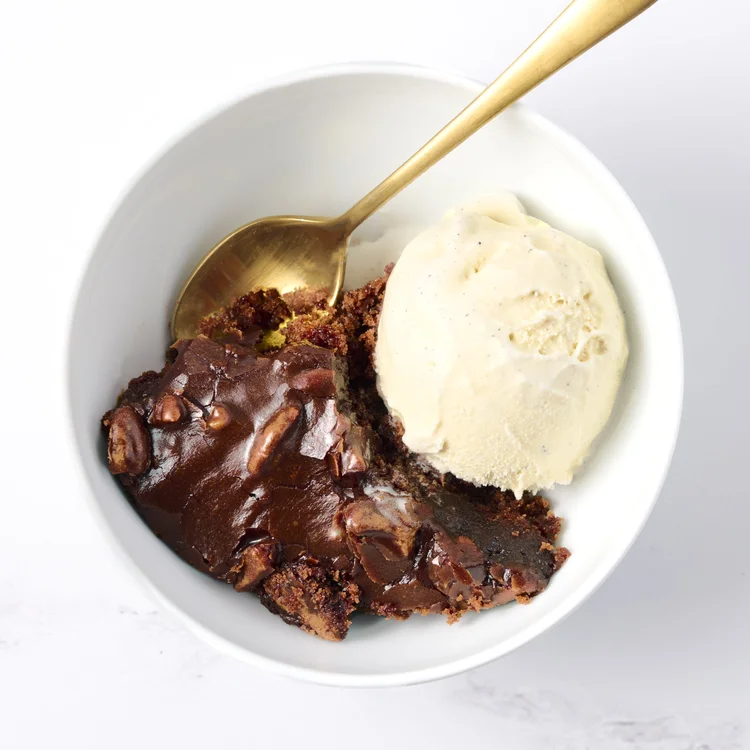
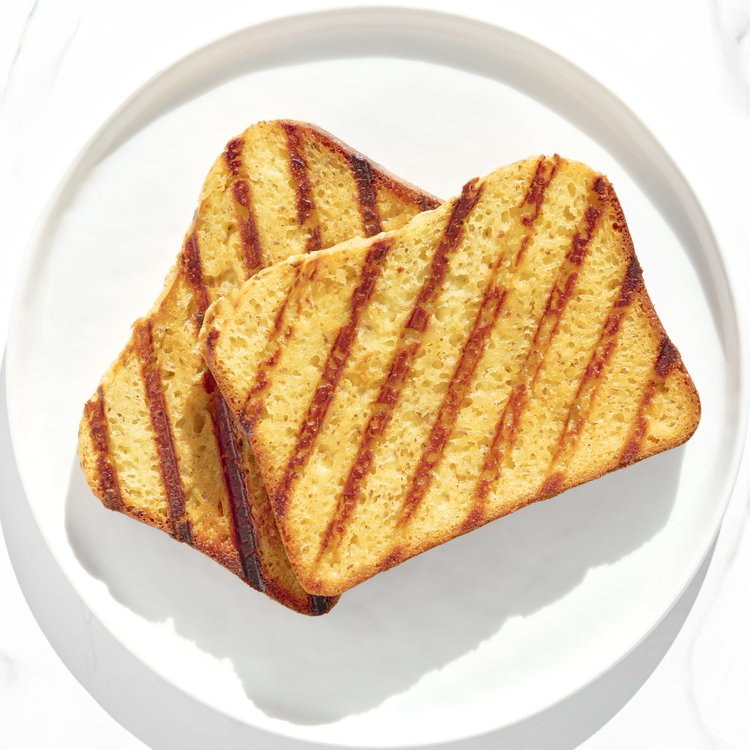
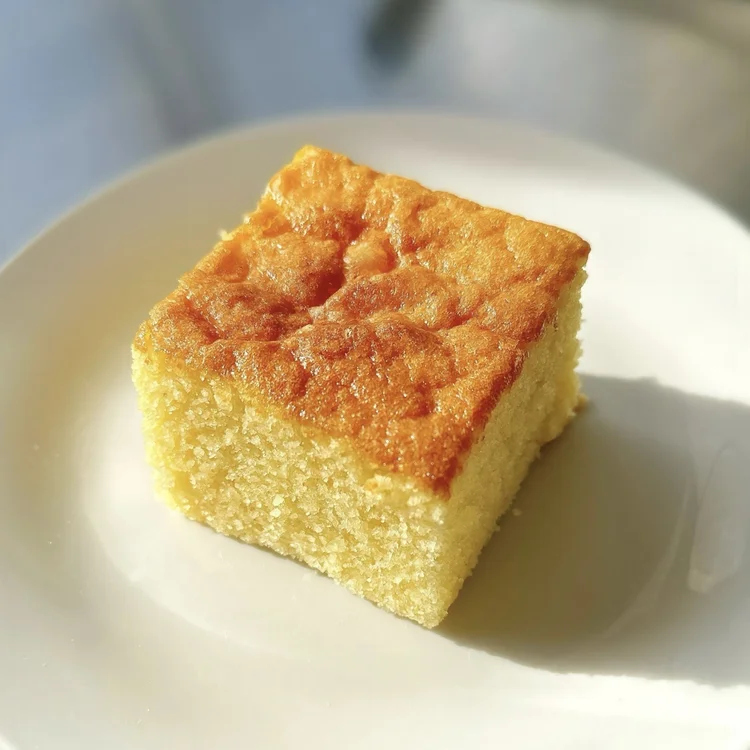
Depending on the bake, that might mean extra potato or corn starch for lightness, almond flour for richness, or eggs and flaxseed to hold everything together. Our Gluten-Free Good Bread uses all of those tricks at once. Our Texas Skillet Cake and Browned Butter Cornbread show how far a good all-purpose blend can go with just a little help.
If you bake one of our recipes with a different blend, it will usually still work. Just know the texture may come out a touch different from ours, and that's the flour talking, not you.
The Quick Recap
- There’s no single gluten-free flour that does everything wheat flour does, so most baking uses a blend.
- Blends combine base flours, starches, and sometimes gums or extras like milk powder.
- 1-to-1 blends usually include xanthan gum. All-purpose blends often don’t.
- Swapping blends can change texture, liquid, weight per cup, flavor, and grittiness.
- Almond and coconut flour aren’t blend swaps. Use them only when a recipe names them.
- Brimly recipes are tested with King Arthur Gluten-Free All-Purpose Flour, without xanthan gum.


This article is for general information and isn't medical advice. If you have celiac disease or another medical reason for eating gluten-free, your doctor or a registered dietitian is the best guide for your own needs.