Gluten-Free GuideWednesday
What Does Gluten Actually Do? The Science Behind Gluten-Free Baking
Gluten is the reason wheat dough stretches and rises. Once you know what it does, gluten-free baking starts to make a lot more sense.
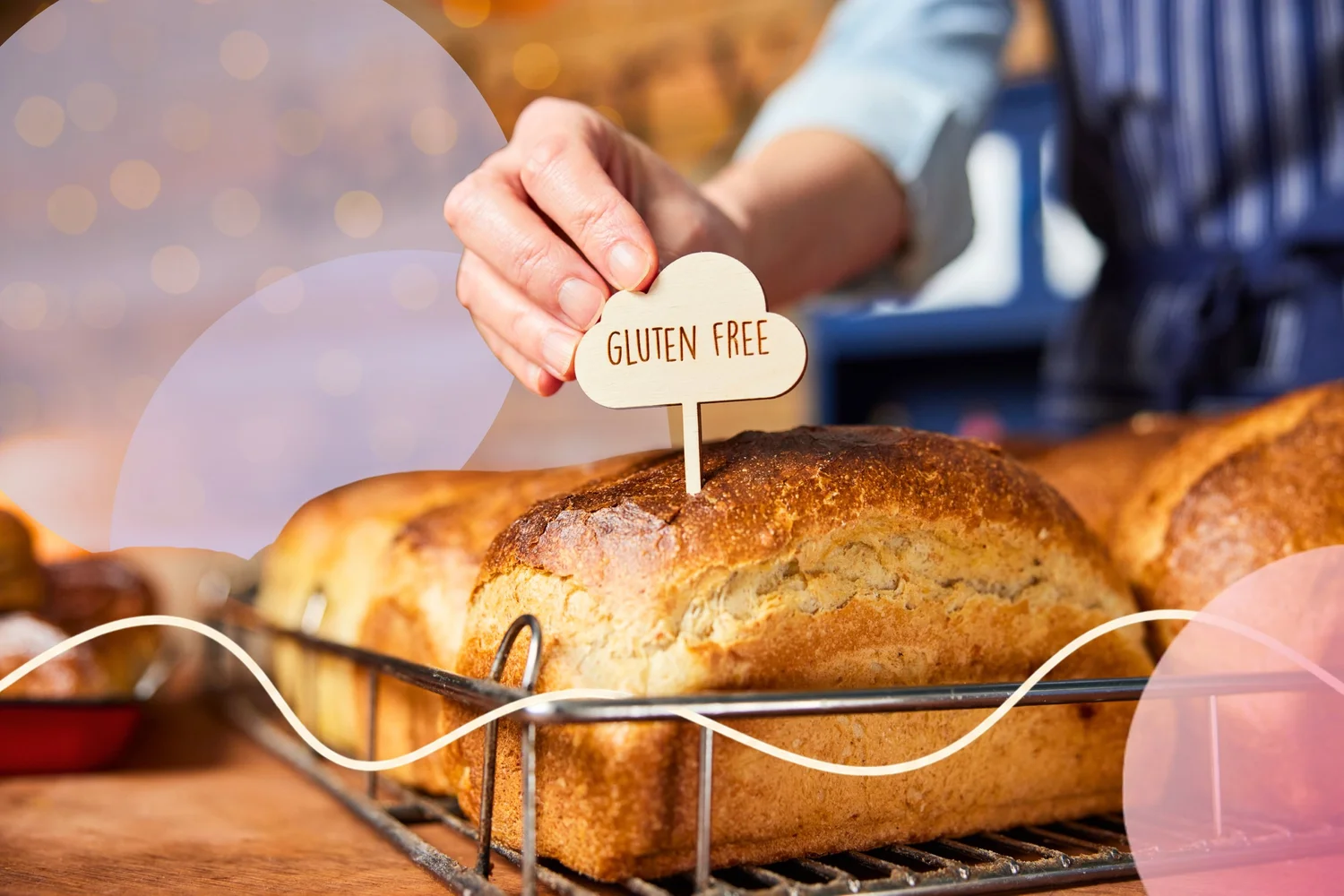
Gluten is a stretchy web of proteins that forms when wheat flour gets wet and mixed. It traps air, helps bread rise, and gives baked goods their chew and structure. Gluten-free flours can't make that web, so gluten-free baking uses other helpers to do the same jobs: starches, eggs, binders, extra moisture, and a little time.
If you've ever swapped gluten-free flour into a regular recipe and pulled out something flat, crumbly, or a little sandy, you're in very good company. It's one of the most common first experiences in gluten-free baking. And it isn't your fault. The recipe was written around an ingredient that simply isn't there anymore.
To understand what to do instead, it helps to understand what gluten was doing in the first place.
What is gluten, exactly?
Wheat flour carries two proteins called glutenin and gliadin. In a bag of dry flour, they're just sitting there separately. Gluten doesn't actually exist yet.
Add water and start mixing, and those two proteins link up into a network. That network is gluten. Each protein brings something different to it:
- Glutenin gives it strength and bounce. It's why bread dough springs back when you poke it.
- Gliadin gives it stretch. It's why pizza dough can be pulled thin without tearing.
The more you knead, the stronger that network gets. That's why bread recipes ask for long kneading and cake recipes warn you not to overmix. A baker working with wheat is always deciding how much gluten they want.
Barley and rye have similar proteins, which is why they're off the table for a gluten-free diet too.
The jobs gluten does in baking
It helps to think of gluten as a crew member doing several jobs at once:
- Structure. It forms the framework that holds a bake together.
- Rise. Its stretchy walls trap the gas from yeast or baking powder, like tiny balloons, so the bake puffs up and stays up.
- Chew. It's the pull you feel in a bagel or a good crusty loaf.
- Shape. It lets dough be rolled, braided, and shaped without falling apart.
- Moisture. It holds on to water, which helps keep bakes soft.
Take gluten away and every one of those jobs is suddenly open.
What happens when it's gone
Gluten-free baking usually starts with a mix of flours and starches: rice flour, sorghum, millet, buckwheat (which, despite the name, has no wheat in it), oat flour, almond flour, plus starches like potato, tapioca, and corn. Each one brings flavor and texture, but none of them can form that stretchy web.
Without help, that's when you see the classic problems: crumbly slices, flat loaves, a gritty texture, and bakes that dry out by the next day.
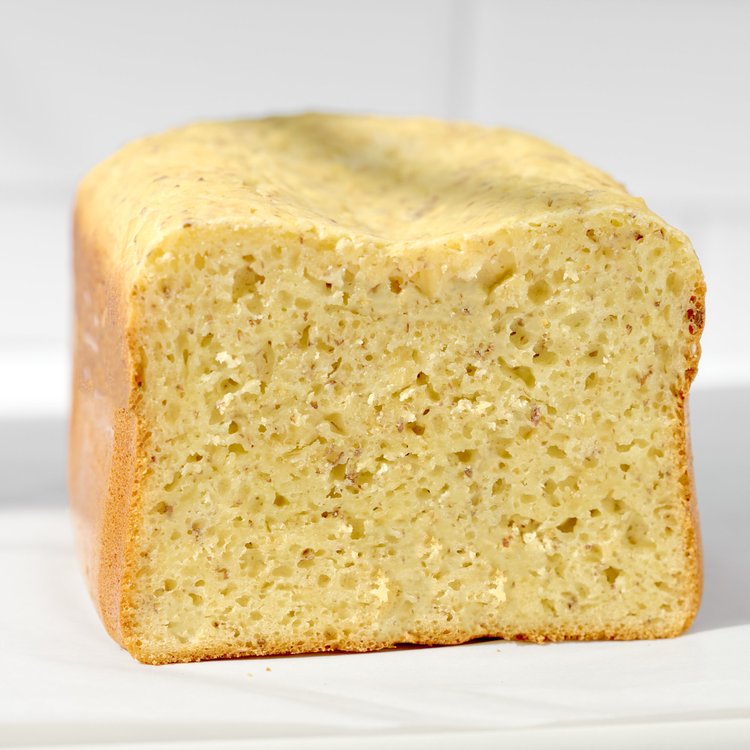
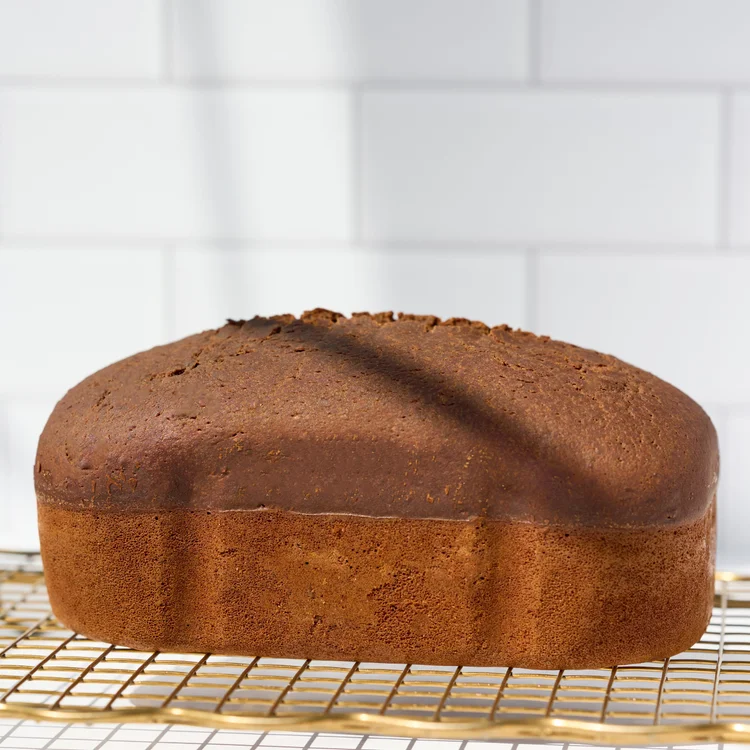
It also changes how the batter or dough looks. A lot of gluten-free bread is closer to a thick batter than a dough you can knead. Our Gluten-Free Good Bread and our bread machine loaves are all batters. They're poured, not shaped, and that's completely normal.
There's one nice freedom in all this. Since there's no gluten to toughen up, you can't make a gluten-free cake tough by mixing it a little too long. You'll still want to be gentle with any air you've whipped into eggs or butter, but the old "don't overmix" panic mostly doesn't apply.
How gluten-free baking fills the gap
Instead of one ingredient doing everything, gluten-free baking spreads the work across a small team.
Starches
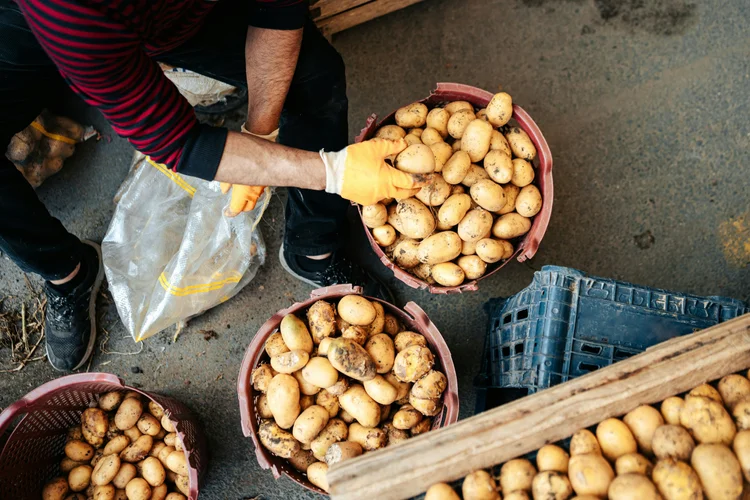
Potato starch, cornstarch, and tapioca starch soak up liquid and thicken as they bake, which gives softness and helps hold things together. Our Good Bread uses both potato starch and cornstarch alongside the flour blend.
Eggs
Egg proteins firm up in the oven and help set the structure, while the yolks add richness. Eggs do a lot of heavy lifting in gluten-free baking, and you'll see them in many of our recipes for exactly that reason.
Binders
Most gluten-free recipes you'll find use xanthan gum or psyllium husk to mimic gluten's stretch and hold. At Brimly, we bake gum-free and psyllium-free, so we lean on flaxseed meal, eggs, and starches instead. Ground flaxseed turns a little gel-like when it meets liquid, and that gel helps bind the crumb.
Moisture
Gluten-free flours tend to be thirsty, and they drink more slowly than wheat. That's why gluten-free batters can look looser than you'd expect. Ingredients like milk, yogurt, and a bit of extra liquid help keep the final bake tender.
Time
Letting a batter rest for 20 to 30 minutes before baking gives the flours time to fully soak up liquid. It's one of the simplest ways to cut down on that gritty, sandy feeling, especially with rice flour.
Good to Know
Gluten-free bakes can go stale faster than wheat bakes. It's mostly the starches firming back up as they cool and sit. Keep bread well wrapped, toast it, and freeze slices you won't eat in a day or two. A quick toast brings back a lot of the softness.
Why "just swap the flour" doesn't always work
Cup-for-cup gluten-free flour blends can do a pretty good job in cookies, brownies, and quick breads, where gluten wasn't doing much heavy lifting to begin with. The further a recipe leans on gluten, the harder a straight swap gets. Yeast breads, shaped doughs, and pastries that need stretch are where a recipe written for gluten-free from the start really pays off.
That's the whole idea behind the recipes we make here. Each one is built around what gluten-free ingredients can actually do, so you aren't fighting the flour.
The Quick Recap
- Gluten forms when two wheat proteins, glutenin and gliadin, meet water and get mixed.
- It gives baked goods structure, rise, chew, shape, and moisture.
- Gluten-free flours can't form it, which is why straight swaps can turn out crumbly or flat.
- Starches, eggs, binders like flaxseed, extra moisture, and resting time fill the gap.
- You can't toughen a gluten-free cake by overmixing it, but you can still knock out the air.
This article is for general information and isn't medical advice.