Gluten-Free GuideMonday
Where Gluten Hides in Your Pantry (and How to Spot It)
Gluten turns up in soy sauce, stock cubes, seasoning packets, and more. Here’s where it hides and how to read a label in ten seconds.
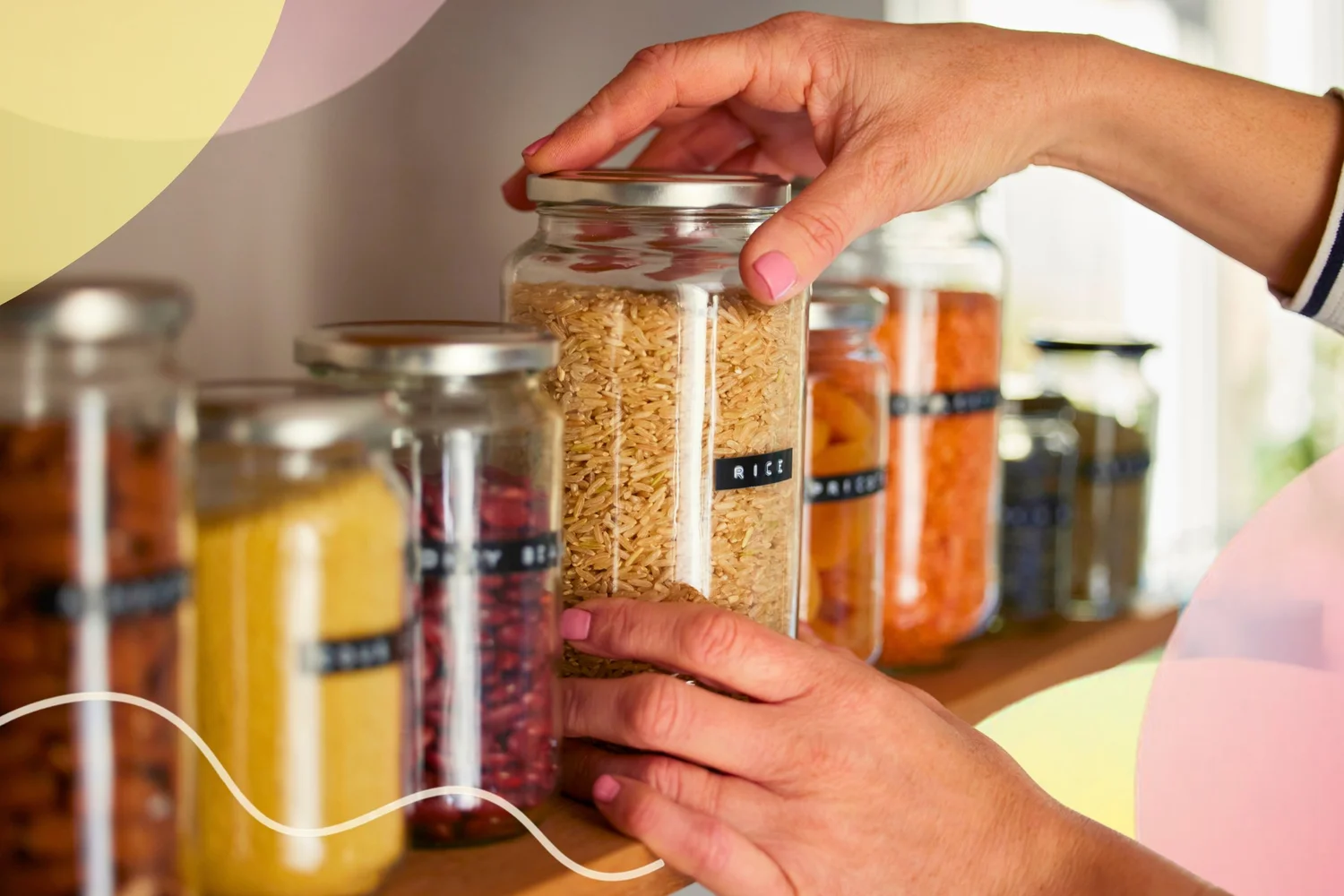
Gluten isn’t only in bread and pasta. It often hides in soy sauce, anything made with malt, stock cubes and bouillon, gravy and soup mixes, seasoning packets, salad dressings, imitation crab, licorice, crisped rice cereal, beer, and regular oats. In the US, wheat has to be named on the label, but barley and rye don’t, and barley usually shows up as “malt.” When in doubt, reach for products labeled gluten-free.
Gluten-free eating would be a lot simpler if gluten only lived in bread, pasta, and birthday cake. It doesn't. It turns up in the sauce on your stir-fry, the cube you drop into soup, the seasoning packet that came with the taco kit, and a surprising number of things that never looked like wheat in the first place.
None of this is meant to make the grocery store feel scary. Once you know why gluten ends up in these foods and where to look on the package, checking a label takes about ten seconds. Here's the short list we'd want every new gluten-free baker to have in their back pocket.
Why gluten shows up in unexpected places
Wheat, barley, and rye are cheap, useful ingredients, so food makers lean on them for jobs that have nothing to do with bread.
- Thickening. Wheat flour is the classic way to thicken gravies, soups, and creamy sauces.
- Flavor. Barley malt adds a toasty sweetness, and wheat is part of how traditional soy sauce gets its deep, savory taste.
- Binding and coating. Wheat starch and flour hold processed foods together and give fried things their crunch.
- Carrying seasoning. Some spice blends and flavor packets use wheat flour to keep the seasoning flowing and evenly mixed.
So the question isn't really does this food sound like bread. It's could this food need thickening, flavor, or a binder. If the answer is yes, it's worth a look.
How US food labels handle gluten
This is the part that trips most people up, so it's worth knowing how the rules work right now.
- Wheat has to be named. Wheat is one of the major food allergens in the United States, so packaged foods regulated by the FDA have to say so, either in the ingredient list or in a "Contains" line.
- Barley and rye don't. They aren't on the major allergen list, so they can sit in the ingredients under other names, most often as malt. There's no "Contains barley" warning to catch your eye.
- "May contain" notes are optional. Statements about shared equipment or facilities are voluntary, and companies use them differently.
- "Gluten-free" means something specific. When a package says gluten-free, the FDA requires it to contain less than 20 parts per million of gluten.
Celiac groups have been pushing for barley and rye to be labeled as clearly as wheat, and the FDA asked the public for input on gluten labeling earlier this year. As of now, though, the rules haven't changed, so reading the full ingredient list still matters.
Good to Know
Many meat, poultry, and egg products in the US are overseen by the USDA rather than the FDA, and they follow different labeling rules. Sausages, deli meats, and some canned soups with meat in them are worth an extra careful read.
The pantry staples worth double-checking
These are the everyday foods that most often surprise people. Some versions are gluten-free and some aren't, sometimes from the very same brand.
- Soy sauce. Traditional soy sauce is brewed with wheat. Tamari is often made without wheat, but not always, so check the label. Coconut aminos is a soy-free and wheat-free option many people use instead.
- Anything with "malt" in the name. Malt extract, malt syrup, malt flavoring, malted milk powder, and malt vinegar usually come from barley.
- Stock cubes, bouillon, and broth. Some use wheat for flavor or body. This is one of the most common hidden sources.
- Gravy, sauce, and soup mixes. Packets and jars are often thickened with wheat flour.
- Seasoning blends and kit packets. Taco, chili, and ranch-style mixes can include wheat flour as a filler.
- Salad dressings and marinades. Watch for soy sauce, malt vinegar, and flour-based thickeners.
- Imitation crab and other seafood blends. These often contain wheat starch.
- Licorice and some candy. Many licorice ropes are made with wheat flour.
- Crisped rice cereal. Rice is gluten-free, but many brands add malt flavoring.
- Beer and malt drinks. Regular beer is made from barley. Look for beer that's labeled gluten-free.
- Oats. Pure oats don't contain gluten, but regular oats are usually cross-contacted with wheat. We went through the whole story in Are Oats Gluten-Free?
Ingredients that sound worrying but usually aren't
A few ingredient names cause a lot of unnecessary worry. In the US, these are generally considered gluten-free.
- Maltodextrin. Despite the "malt" in its name, it's a highly processed starch, usually made from corn, and it's considered gluten-free. If it ever comes from wheat, wheat has to be named on the label.
- Caramel color. Considered gluten-free in the US.
- Distilled vinegar. Plain distilled white vinegar is gluten-free. It's malt vinegar you want to skip.
- Modified food starch. In the US it's most often made from corn. If it's made from wheat, the label has to say so.
- "Natural flavors." These rarely contain gluten. If you're very sensitive and a label leaves you unsure, a quick note to the company usually gets you a clear answer.
Our ten-second label routine
This is the order we read a package in, every time.
- Look for a gluten-free label first. If it's there, you're most of the way done.
- Read the "Contains" line for wheat.
- Scan the ingredients for barley, rye, malt, brewer's yeast, and oats that aren't labeled gluten-free.
- Notice the facility notes. They're voluntary, but they tell you something about how the food was made.
- Check your favorites again now and then. Recipes change, and a product that was fine last year might not be this year.
It feels like a lot the first few weeks. After that it becomes second nature, the same way you glance at an expiration date without thinking about it.
Where baking from scratch helps
One of the best perks of baking at home is that you get to see every single ingredient. A short list of things you recognize is much easier to trust than a long one full of names you'd have to look up.
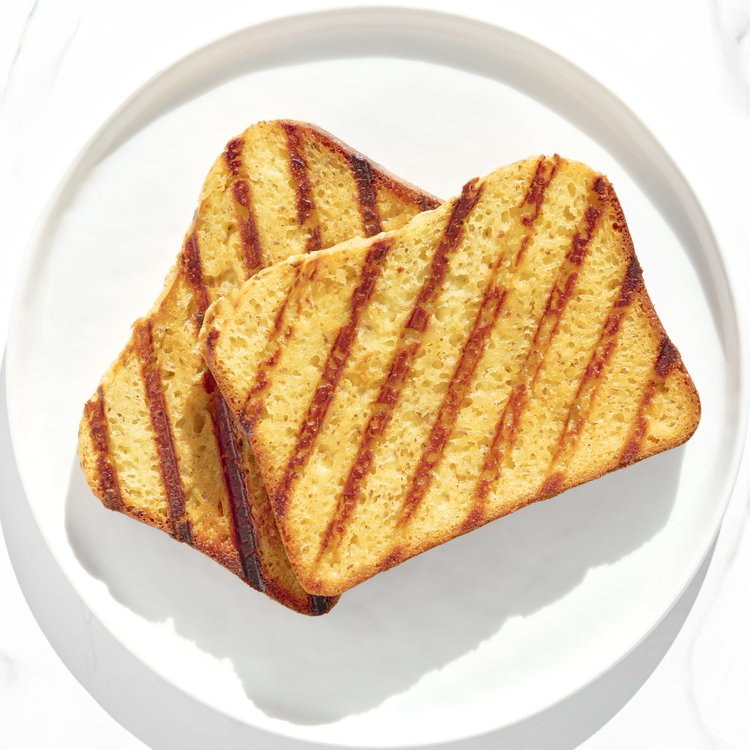
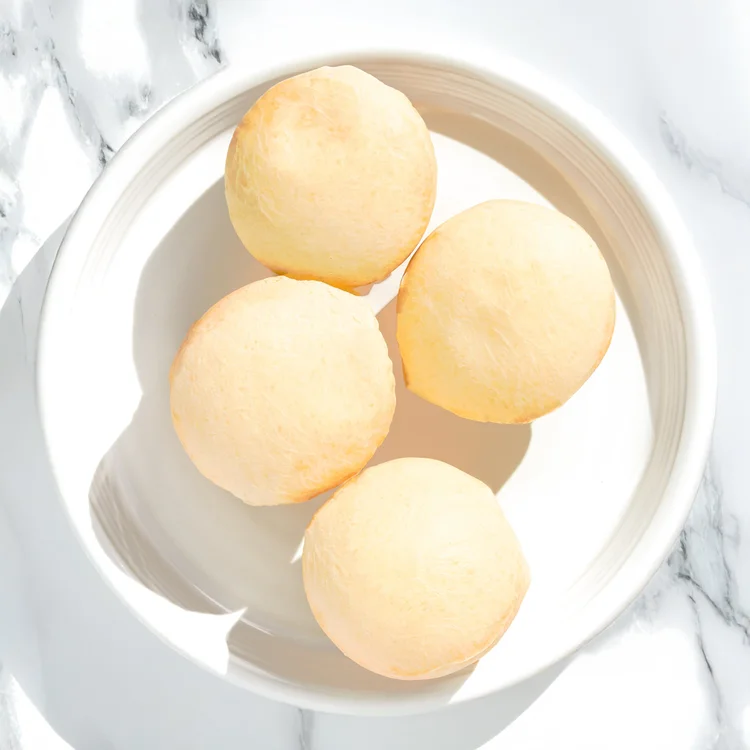
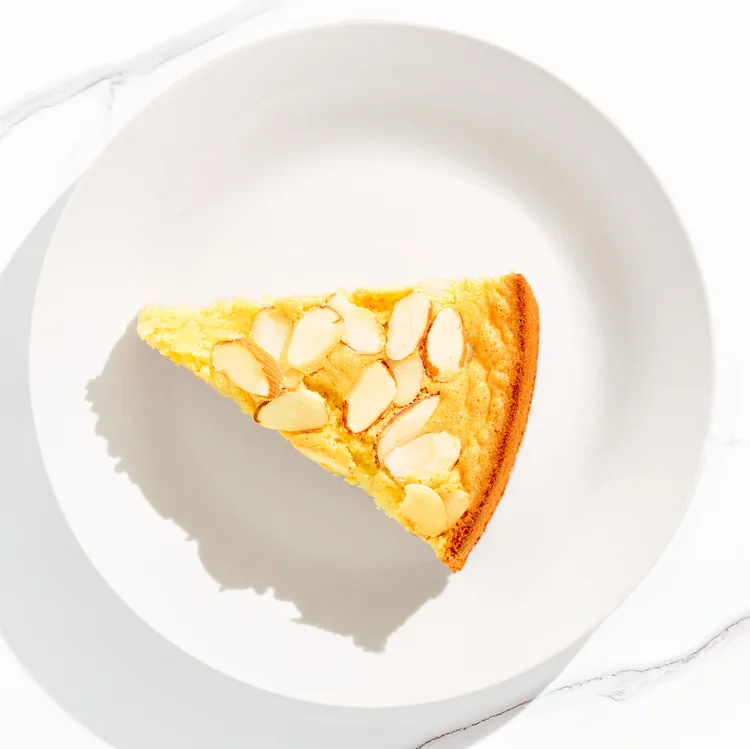
That's a big part of why we bake the way we do at Brimly. Our Gluten-Free Good Bread skips gums and leans on eggs and flaxseed instead, and some of our favorite bakes, like our Brazilian Cheese Bread and Spanish Almond Cake, are naturally gluten-free to begin with. You still want gluten-free labels on your flours, starches, and oats, but the rest of the list stays simple.
The Quick Recap
- Gluten is used for thickening, flavor, binding, and carrying seasoning, so it turns up far beyond bread.
- US labels must name wheat, but barley and rye can hide in the ingredients, most often as malt.
- A gluten-free label means less than 20 parts per million of gluten.
- Double-check soy sauce, malt, bouillon, gravy and soup mixes, seasoning packets, dressings, imitation crab, licorice, crisped rice cereal, beer, and oats.
- Maltodextrin, caramel color, distilled vinegar, and modified food starch are generally gluten-free in the US.
- Baking from scratch keeps your ingredient list short and easy to trust.

This article is for general information and isn't medical advice. If you have celiac disease or another medical reason for eating gluten-free, your doctor or a registered dietitian is the best guide for your own needs.