Gluten-Free GuideWednesday
Sharing a Kitchen With Gluten? How to Avoid Cross-Contact
One gluten-free eater in a kitchen full of wheat? Here’s where gluten likes to travel, what the research says, and the easy habits that keep gluten-free food safe.
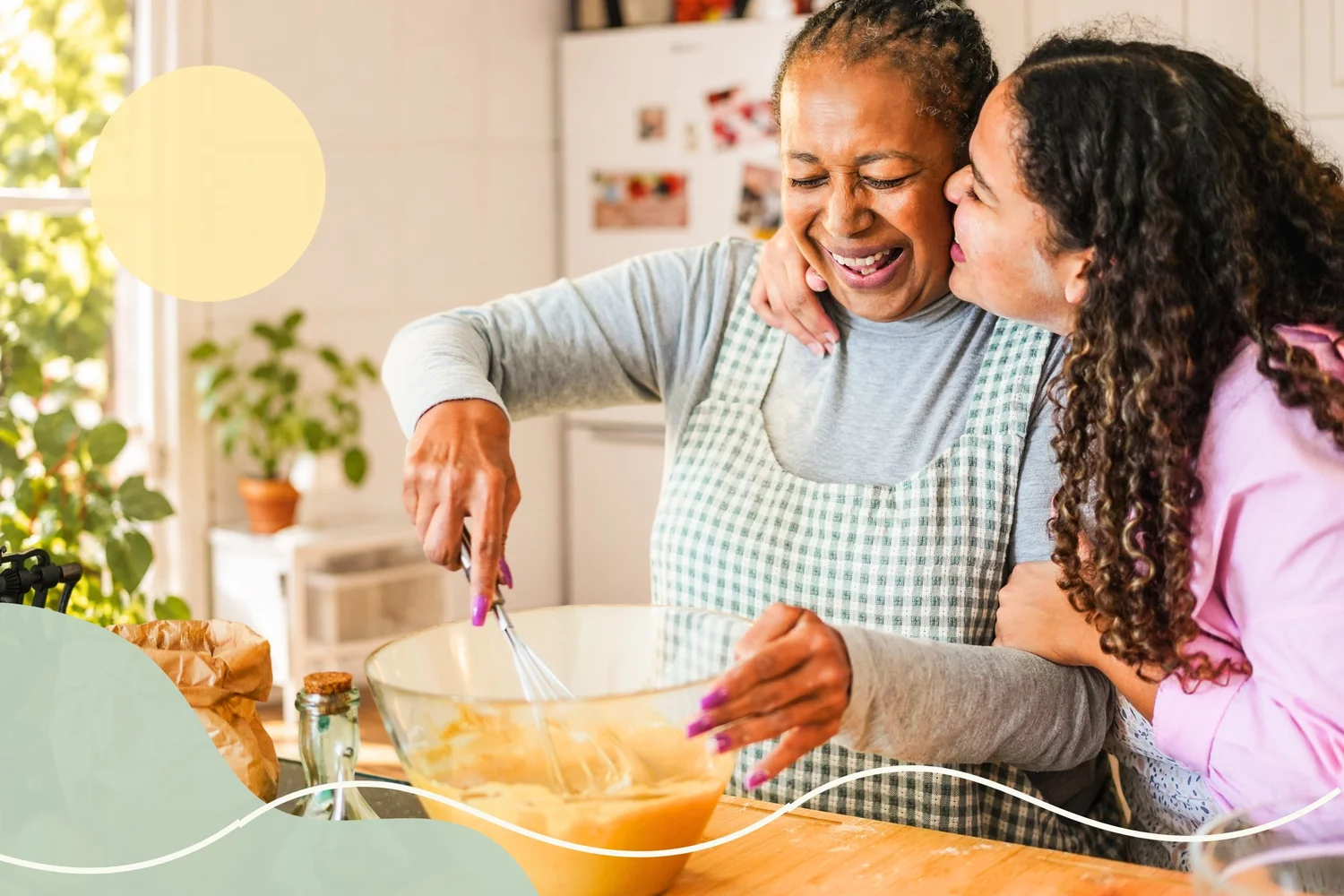
Cross-contact is when gluten moves onto food that’s meant to be gluten-free. The biggest risks are shared foods and tools that are hard to clean, like butter and jam jars, pasta water, fryer oil, colanders, sifters, and wheat flour dust in the air. Washing with soap and water, keeping separate spreads and a few dedicated tools, and baking gluten-free first go a long way toward keeping a shared kitchen safe.
Plenty of gluten-free bakers don't live in a gluten-free house. One person in the family might have celiac disease while everyone else eats regular bread, or you might be baking a birthday cake for a gluten-free friend in a kitchen that usually sees wheat flour.
Sharing a kitchen is very doable. It mostly comes down to knowing where gluten likes to travel and building a few easy habits around it. With the holidays coming up and a lot of baking for other people on the calendar, it's a good time to get them in place.
What cross-contact means
Cross-contact is when gluten moves from one food, surface, or tool onto something that's supposed to be gluten-free. You'll also hear it called cross-contamination, but cross-contact is the term most allergy and celiac groups use now, since contamination usually refers to germs.
For people with celiac disease, small amounts matter. That's why the FDA only lets a food be labeled gluten-free if it contains less than 20 parts per million of gluten, and why a few stray crumbs are worth thinking about.
What the research says
A small 2019 study from Children's National Hospital tested a few everyday kitchen situations, and the results were helpful.
- Shared toaster. Gluten-free bread toasted in the same toaster as regular bread stayed under 20 parts per million, even with wheat crumbs at the bottom.
- Shared knife. A knife used on regular cupcakes and then on gluten-free ones kept gluten under 20 parts per million in most of the tests.
- Shared pasta water. This was the big one. Gluten-free pasta cooked in water that had already cooked wheat pasta picked up as much as 115 parts per million.
- Rinsing helped. Rinsing that pasta under running water brought it back under 20, and simply rinsing the pot before reusing it left no detectable gluten at all.
The researchers called it a preliminary study, and they still recommend following the advice of your own celiac care team. The big takeaway is encouraging, though. Washing with soap and water and keeping shared foods separate do a lot of the work.
The usual trouble spots
- Shared spreads. A knife that touches regular toast and then goes back into the butter, jam, or peanut butter leaves crumbs behind. Keep separate, labeled jars, or switch to squeeze bottles.
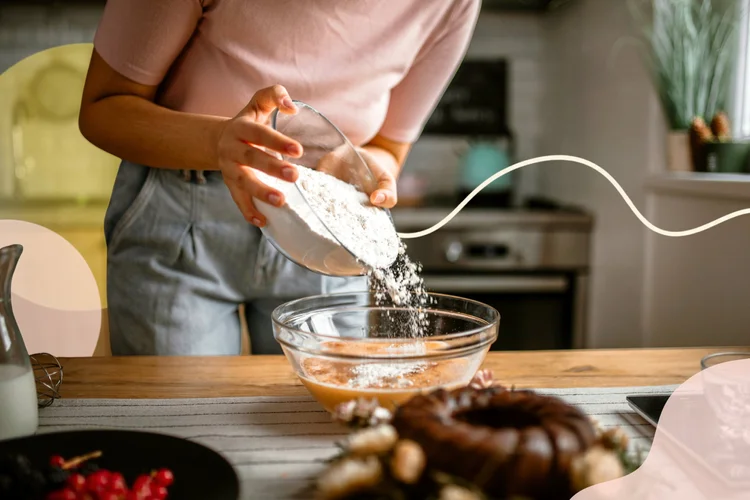
- Flour dust. Wheat flour is fine and light, so it drifts through the air and settles on counters, open bowls, and anything sitting nearby. Avoid baking with wheat flour and gluten-free flour at the same time.
- Pasta water and fryer oil. Never cook gluten-free food in water or oil that's already been used for something with gluten.
- Colanders, sifters, and strainers. All those tiny holes are hard to get completely clean. A dedicated gluten-free set takes the guesswork away.
- Worn or scratched tools. Wooden cutting boards, wooden spoons, and scratched nonstick pans can hold onto crumbs in their grooves.
- The toaster. The study above found low transfer, but many celiac organizations still suggest a separate toaster or reusable toaster bags, and it's an easy one to set up.
- Sponges and towels. A sponge that just scrubbed a pasta pot can carry gluten onto the next dish. Use a clean one for gluten-free tools.
Good to Know
A little color goes a long way. Colored tape, stickers, or a different color of tools and containers makes it easy for everyone in the house to tell what's gluten-free at a glance, including guests who are helping out.
A simple order for baking day
- Start with a clean kitchen. Wash counters, bowls, and tools with soap and water first.
- Bake gluten-free first. Do it before anything with wheat comes out, so there's no flour in the air.
- Use clean parchment and racks. Lining pans and cooling racks gives your bake a fresh surface to sit on.
- Cover it as soon as it's cool. That keeps it safe from crumbs and drifting flour while the rest of the cooking happens.
- Store it up high and labeled. Keeping gluten-free food on a higher shelf means crumbs can't fall down into it.
Baking for a gluten-free friend
If you're baking for someone else this season, a few extra steps go a long way.
- Ask what they need. Some people are more sensitive than others, and they'll know what makes them comfortable.
- Check every label, including the baking powder, chocolate chips, and spices. Our guide to Where Gluten Hides in Your Pantry walks through what to look for.
- Open fresh packages of anything that might have been scooped with a floury measuring cup, like sugar or a shared tub of butter.
- Choose certified gluten-free oats if your recipe uses them. We explained why in Are Oats Gluten-Free?
- Pack it separately and label it, and send along the ingredient list. It's a small thing that means a lot to the person eating it.
How Brimly makes it easier
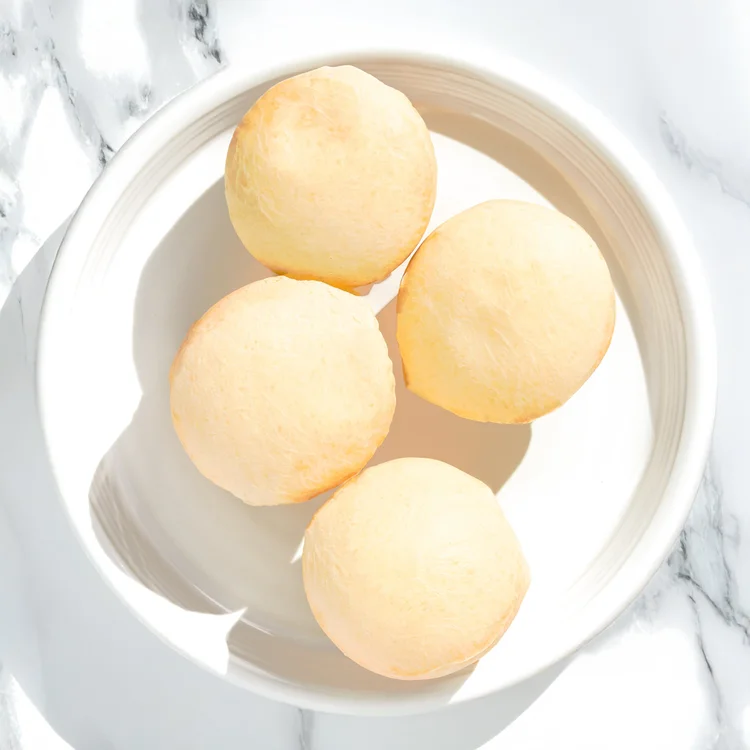
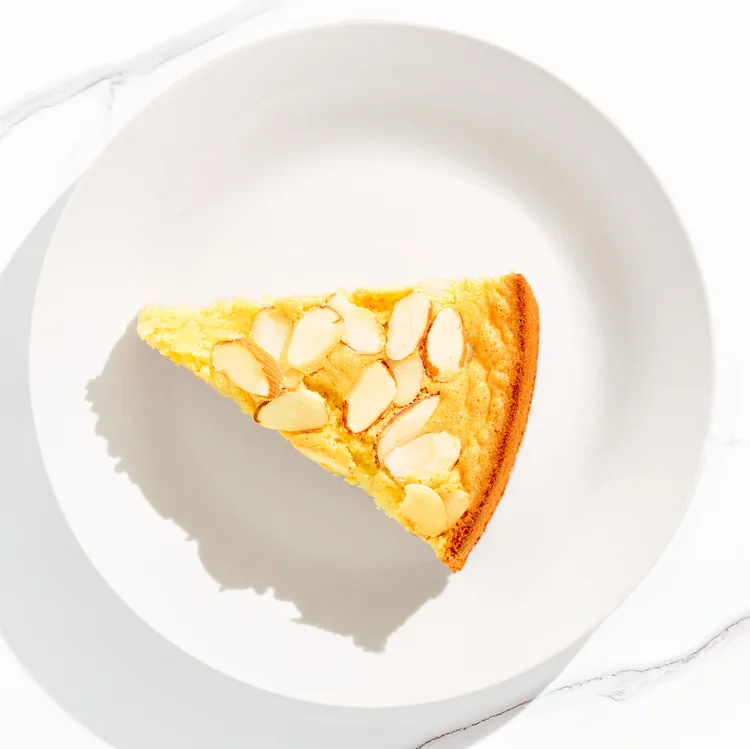
Every recipe on Brimly is gluten-free from the start, with no gums, so there's nothing to swap or convert when you're baking for someone who needs it. Some of our favorites are naturally gluten-free, like our Brazilian Cheese Bread, made with tapioca starch, and our Spanish Almond Cake, made with almond flour. They're the kind of bakes that are easy to share, and everyone at the table can enjoy them together.
The Quick Recap
- Cross-contact is when gluten moves onto food that’s supposed to be gluten-free.
- A small 2019 study found shared pasta water was the biggest risk, while a shared toaster and knife transferred very little.
- Soap and water and keeping shared foods separate do a lot of the work.
- Watch shared spreads, flour dust, pasta water, fryer oil, colanders, sifters, worn tools, and sponges.
- Bake gluten-free first, cover it once cool, and store it up high with a label.
- When baking for a friend, ask what they need, check every label, and send the ingredient list along.
This article is for general information and isn't medical advice. If you have celiac disease or another medical reason for eating gluten-free, your doctor or a registered dietitian is the best guide for your own needs.