Gluten-Free GuideWednesday
How Do You Keep Gluten-Free Food Safe at Thanksgiving? (Avoiding Cross-Contact)
One shared spoon can undo all your careful cooking. Here’s where gluten sneaks in on Thanksgiving, and the easy habits that keep gluten-free dishes safe from oven to table.
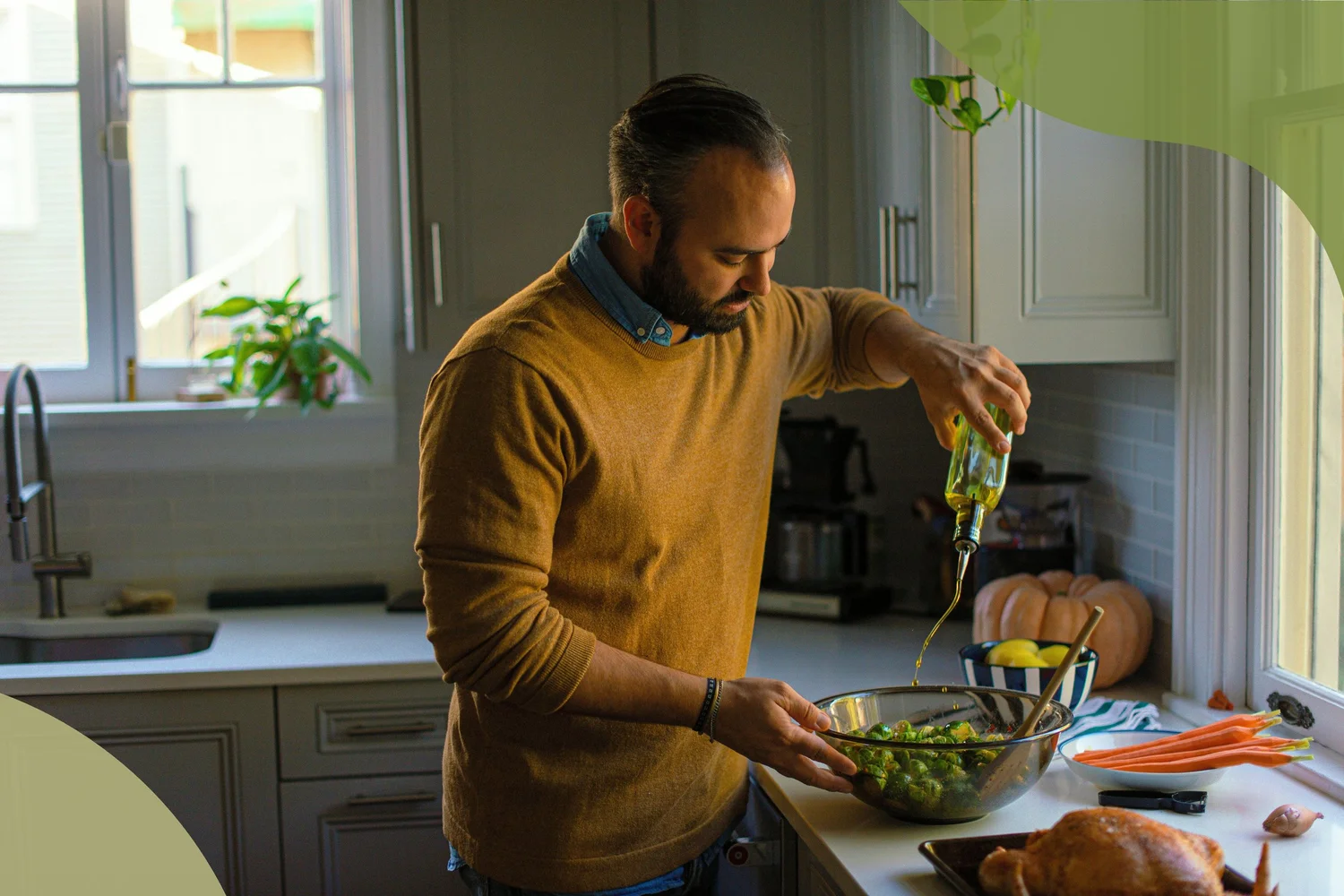
Keep gluten-free food safe by preventing cross-contact, when gluten gets onto a gluten-free dish through crumbs, shared spoons or flour in the air. Bake gluten-free dishes first, start with clean surfaces and tools, give every dish its own labeled spoon, set out a separate butter dish, and serve gluten-free dishes first. Thicken gravy with cornstarch, and read the labels on broths and spice blends.
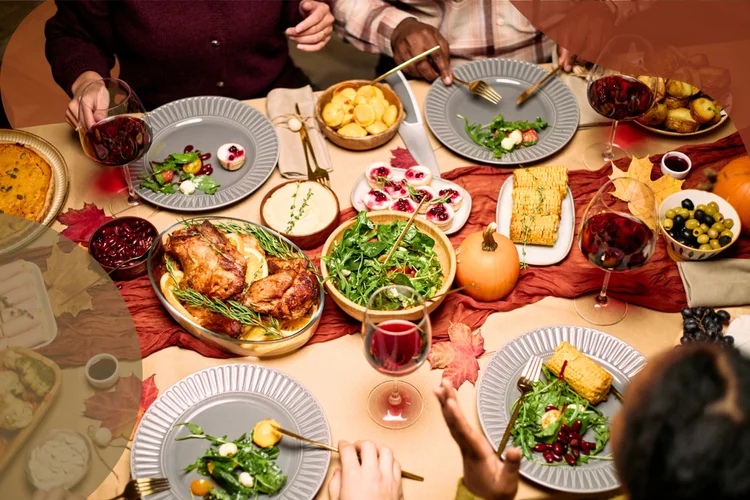
For a lot of us, Thanksgiving is the one meal of the year where the whole family shares a kitchen. That's what makes it special, and it's also what makes it tricky when someone at the table eats gluten-free. A dish can start out completely gluten-free and pick up gluten on the way to the plate, from a stray crumb, a shared spoon or a dusting of flour on the counter.
That's called cross-contact, and the good news is that a little planning goes a long way. Here's where gluten likes to sneak in on Thanksgiving, and the simple habits that keep gluten-free dishes safe from the oven to the table.
Where gluten sneaks in
- Shared serving spoons. The spoon from the regular stuffing ends up in the gluten-free stuffing. It happens in seconds and it's the most common culprit.
- Crumbs on the counter and cutting board. Rolls, bread and stuffing cubes leave crumbs everywhere, and they're easy to miss.
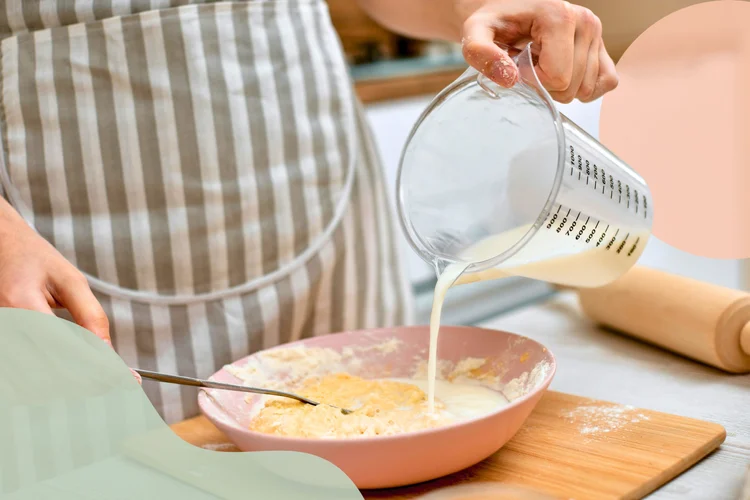
- Flour in the air. Wheat flour can drift and settle on nearby bowls and surfaces when someone's rolling out dough or making gravy.
- The butter dish. One knife that touches a dinner roll and then the butter is enough to make that butter off-limits.
- Gravy, stuffing and casseroles. These are often thickened with wheat flour or made with bread, and some store-bought broths and seasoning mixes contain gluten too.
- Colanders, sifters and wooden spoons. Tools with small holes or grooves can hold onto bits of flour or pasta.
How to keep gluten-free dishes safe
- Bake gluten-free first. Make gluten-free pies and sides before anything with wheat flour comes out, while the kitchen is still clean.
- Start with clean surfaces and tools. Wipe down counters and wash bowls, pans and utensils well. Use parchment on baking sheets for an extra layer of protection.
- Give every dish its own spoon. Label the gluten-free dishes with a small card and keep their serving spoons in them.
- Serve gluten-free dishes first. On a buffet, put them at the front of the line or let your gluten-free guest fill their plate before everyone else digs in.
- Set out a separate butter dish. A small labeled dish of butter saves a lot of worry.
- Thicken gravy with cornstarch. Cornstarch or a gluten-free flour blend makes a lovely gravy, and then everyone can share it.
- Read every label. Check broths, spice blends, sauces and anything packaged. Look for a certified gluten-free label when you can.
Good to Know
If you're hosting someone with celiac disease or a serious gluten sensitivity, the kindest thing you can do is ask them what they need. Some people are comfortable with a careful shared kitchen, and others would rather bring their own plate. Either way, asking makes them feel welcome.
If you're the gluten-free guest
- Bring a dish you love. That way you know there's at least one thing on the table that's safe and delicious, and everyone else gets to try it too.
- Talk to the host ahead of time. A quick, friendly heads-up about spoons and crumbs is easier for everyone than a surprise at the table.
- Serve yourself first. It's completely okay to ask.
Desserts everyone can share
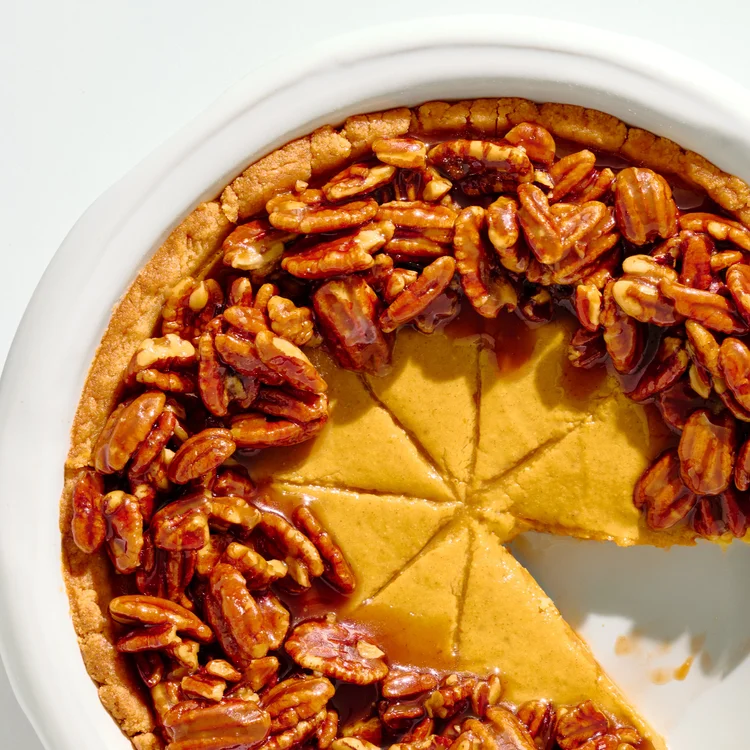
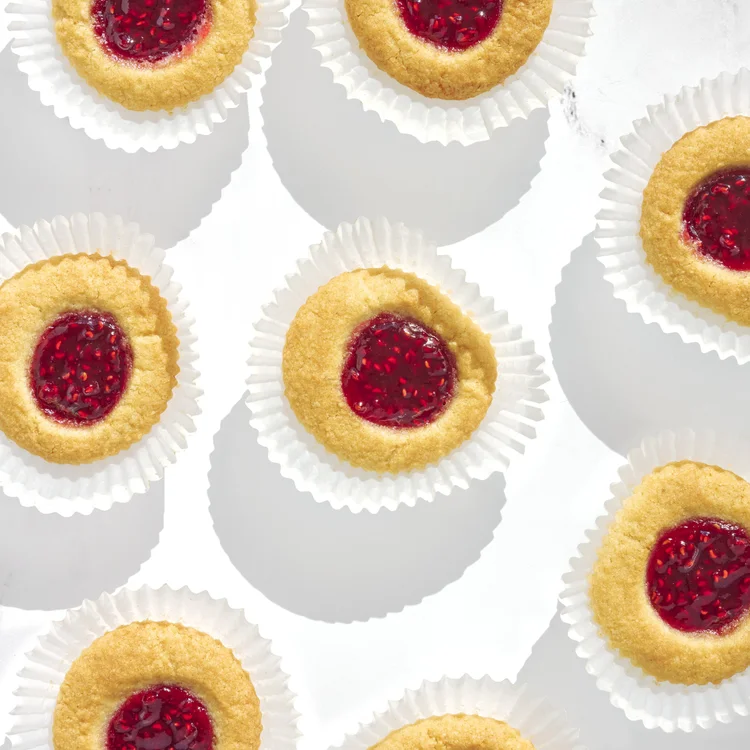
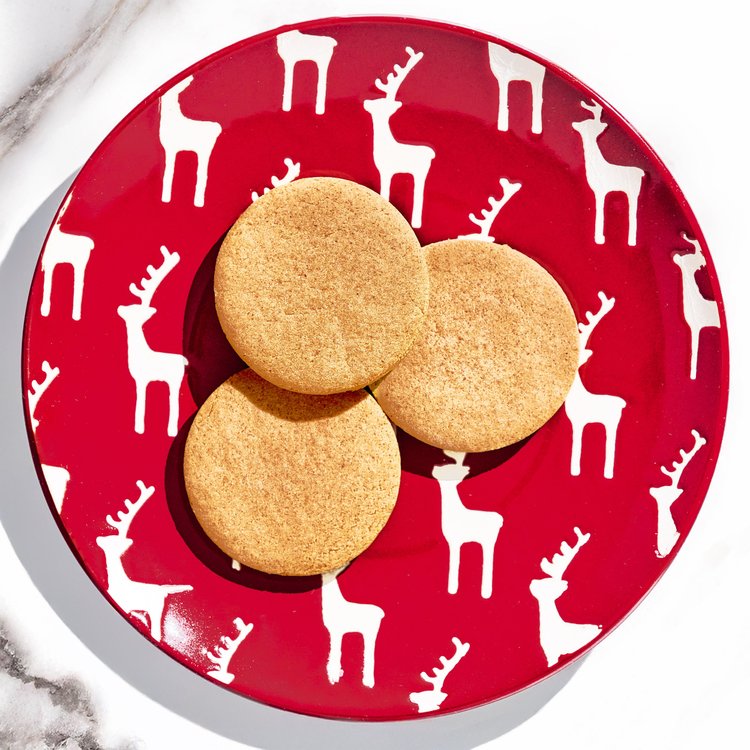
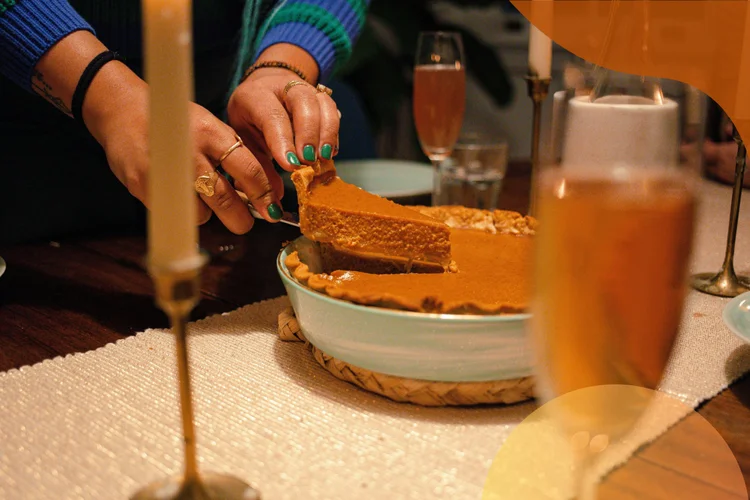
The easiest way to avoid cross-contact on dessert is to make the dessert gluten-free for everyone. Our Gluten-Free Pumpkin Pie can be made a day or two ahead (we share how in Can You Make Gluten-Free Pie Ahead of Time?), and our Cardamom Cups and Ginger Snap Sandies are the kind of treats nobody will guess are gluten-free. For the rest of the menu, our Gluten-Free Thanksgiving Guide has you covered.
The Quick Recap
- Cross-contact happens when gluten gets onto a gluten-free dish.
- Shared serving spoons and crumbs are the most common culprits.
- Bake gluten-free dishes first, while the kitchen is clean.
- Give every gluten-free dish its own labeled spoon.
- Set out a separate butter dish.
- Thicken gravy with cornstarch so everyone can share it.
- Read the labels on broths, spice blends and sauces.
- If you’re hosting, ask your gluten-free guest what they need.
This article is for general information and isn't medical advice. If you have celiac disease or another medical reason for eating gluten-free, your doctor or a registered dietitian is the best guide for your own needs.