Gluten-Free GuideMonday
Why Does My Gluten-Free Pie Crust Crack? (and How to Fix It)
Splitting as you roll it, tearing as you lift it? Here’s why gluten-free pie crust cracks, how to keep it together, and how to patch it if it doesn’t.

Gluten-free pie crust cracks because there’s no gluten to let it stretch, and because the dough is often too cold or a little too dry. Let chilled dough sit for 5 to 10 minutes, roll it between two sheets of parchment, add a little cold water if it’s crumbly, and patch any cracks with extra dough. Cracks in a pumpkin pie filling usually mean it baked a little too long.
If you've ever rolled out a gluten-free pie crust and watched it split down the middle the second you tried to lift it, you're far from alone. Cracking is one of the most common frustrations with gluten-free pie dough, and it always seems to show up right when the holidays roll around and everyone wants a pie on the table.
The good news is that a cracked crust is easy to fix, and most of the time it's easy to prevent too. Here's why gluten-free pie crust cracks, how to handle the dough so it holds together, and what to do about cracks in the filling, which is a different problem altogether.
Why gluten-free pie crust cracks
- There's no gluten to stretch. Wheat pie dough bends and stretches because of gluten. Gluten-free dough doesn't have that stretch, so it tears instead of giving. We explained more in What Does Gluten Actually Do?
- The dough is too cold. Chilling is important, but dough straight from the fridge is stiff. When you press a rolling pin into it, it cracks at the edges instead of spreading out.
- The dough is a little dry. Gluten-free flours soak up liquid slowly. A dough that feels fine at first can turn crumbly after resting, and dry dough splits easily.
- It's being lifted and stretched. Picking up a thin round of gluten-free dough and draping it over a pan is asking a lot of it. Most cracks happen in that short trip from counter to pan.
- It was rolled too thin. A crust that's very thin has nothing to hold it together once it's moved or baked.
How to stop the cracks
- Let cold dough sit for a few minutes. After chilling, leave the dough on the counter for 5 to 10 minutes, just until it gives a little when you press it.
- Roll between two sheets of parchment. The parchment holds the dough together, keeps it from sticking, and lets you move it without stretching it. Peel off the top sheet, flip the dough into the pan, then peel off the second sheet.
- Add a spoonful of water if it's crumbly. If the dough cracks all over as you roll it, work in cold water a teaspoon at a time until it holds together when squeezed.
- Press instead of roll. For a bottom crust, you can skip the rolling pin altogether and press the dough evenly into the pan with your fingers.
- Aim for about 1/8 inch thick. That's thin enough to bake through and thick enough to hold its shape.
- Chill the crust in the pan. Once it's shaped, give it 15 to 30 minutes in the fridge before baking so it sets and holds its edges.
Good to Know
Cracks in gluten-free pie dough are completely normal, and they're easy to mend. Pinch off a little extra dough, press it over the crack with your fingertips, and smooth it with a damp finger. Once the pie is filled and baked, nobody will ever know.
What about cracks in the filling?
A crack across the top of a pumpkin or custard pie has nothing to do with the crust. It usually means the pie baked a little too long or cooled too fast. Custard fillings are done when the edges are set and the center still has a slight wobble, like gelatin. They finish setting as they cool. Pull the pie out at that point, then let it cool slowly at room temperature, away from drafts, before moving it to the fridge. And if a crack does appear, a spoonful of whipped cream covers it beautifully.
A crust that's easier to work with
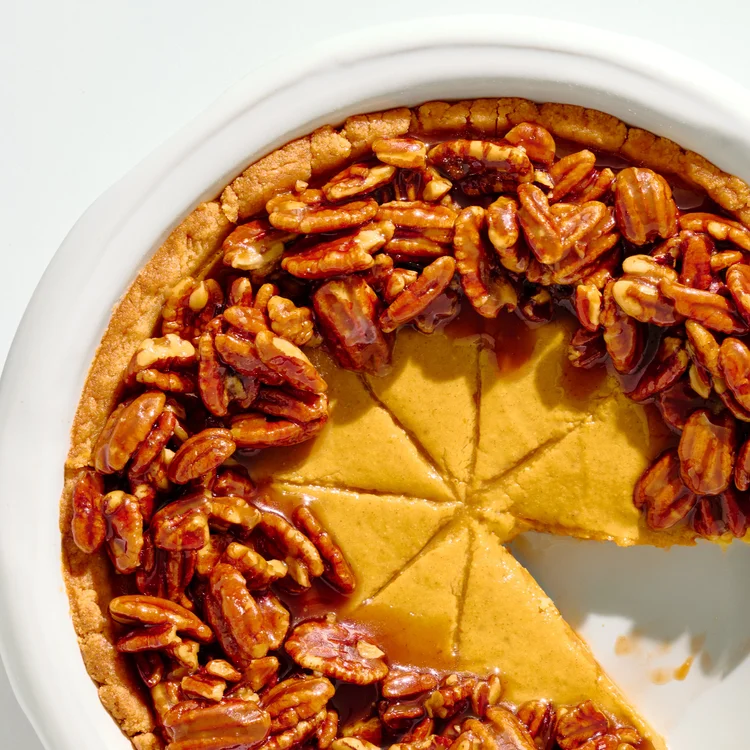
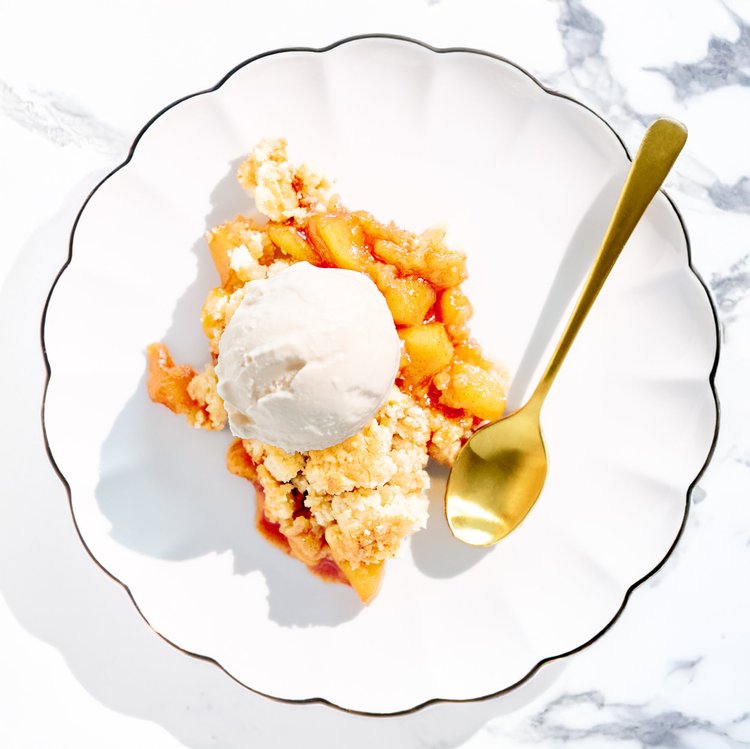
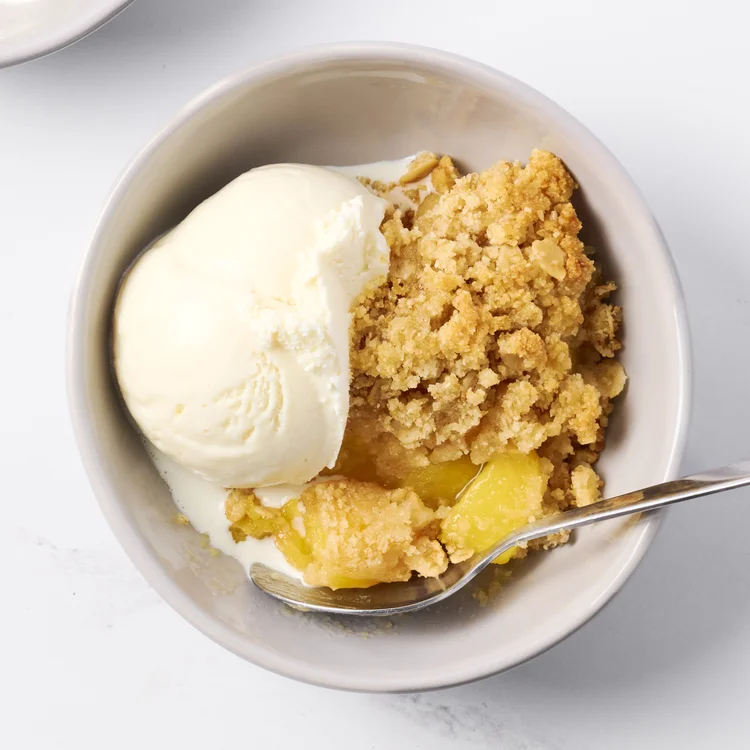
Our Gluten-Free Pumpkin Pie uses a tender almond flour crust that's friendly to press and patch, which makes it a lovely place to start if gluten-free pie dough has given you trouble before. If you'd rather skip the crust altogether, our Apple Pie Crumble gives you all the cozy pie flavor with a buttery crumble on top instead.
The Quick Recap
- Gluten-free dough doesn’t stretch, so it tears instead of bending.
- Let cold dough sit for 5 to 10 minutes before rolling.
- Roll between two sheets of parchment and flip it into the pan.
- Add cold water a teaspoon at a time if the dough is crumbly.
- Patch cracks with a little extra dough and a damp fingertip.
- A cracked pumpkin pie filling usually means it was overbaked, so pull it while the center still wobbles.


This article is for general information and isn't medical advice. If you have celiac disease or another medical reason for eating gluten-free, your doctor or a registered dietitian is the best guide for your own needs.