Gluten-Free GuideMonday
Why Are My Gluten-Free Cookies Spreading? (and How to Fix It)
Thin, flat, and stuck together? Here’s why gluten-free cookies spread in the oven, and the simple fixes that keep them thick and chewy.
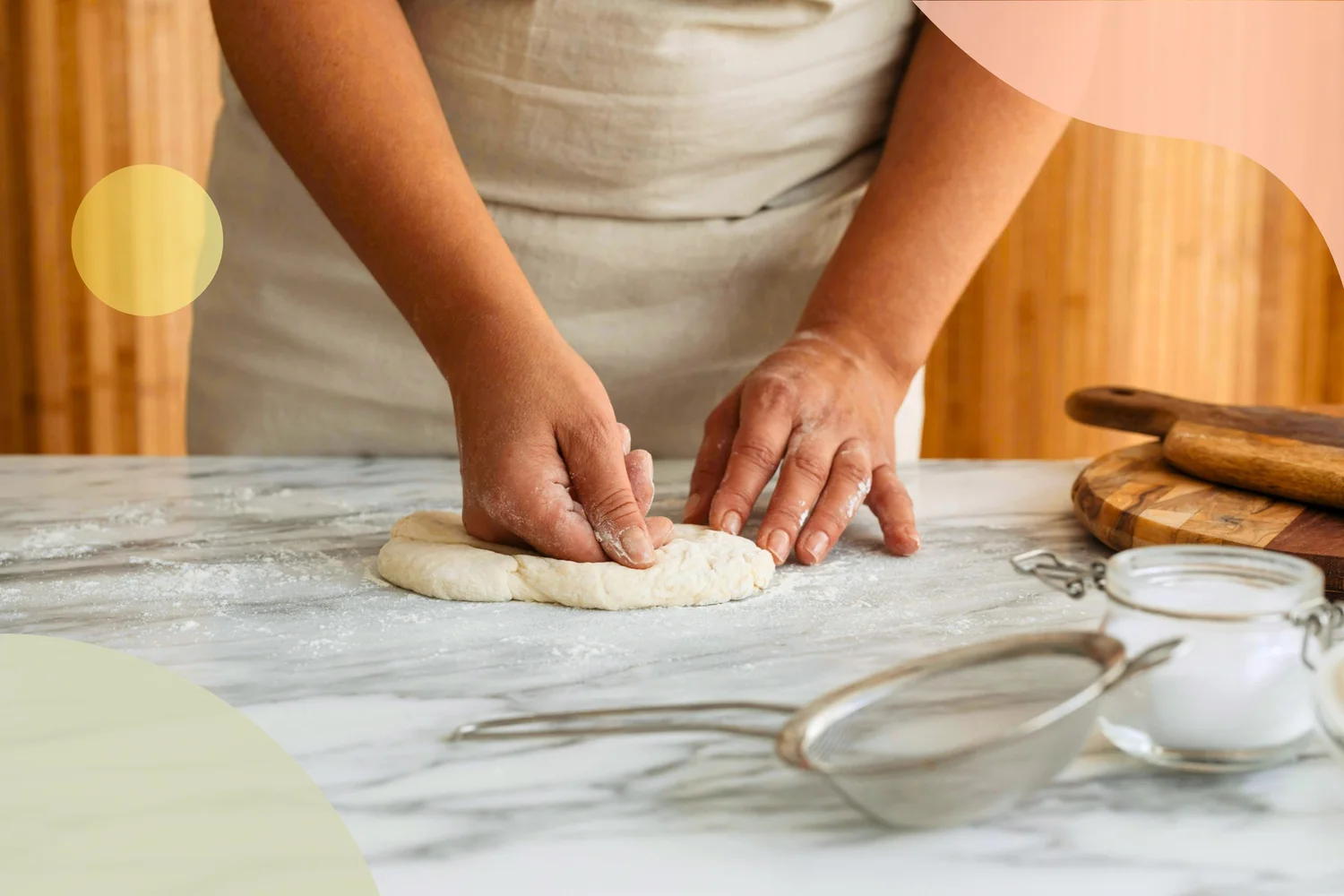
Gluten-free cookies usually spread because the butter is too warm, the flour hasn’t had time to soak up the liquid, or there’s a little too little flour. Chill the dough for at least 30 minutes, start with cool softened butter, weigh your flour, and bake on cool pans lined with parchment. A little spread is normal and gives you crisp edges.
If you've ever slid a tray of neat little cookie dough balls into the oven and pulled out one giant, lacy cookie that swallowed the whole pan, you're far from the only one. It happens to gluten-free bakers all the time.
Cookies spread for a handful of reasons, and most of them have nothing to do with you being a bad baker. Gluten-free dough just has a little less holding it in place, so small things matter more. Here's what makes gluten-free cookies spread, and the easy fixes that keep them thick and chewy.
Why gluten-free cookies spread
- The butter is too warm. This is the most common cause by far. Butter that's very soft, melted, or warmed up from your hands melts quickly in the oven, and the dough runs before it has time to set.
- The flour hasn't soaked up the liquid yet. Gluten-free flours, especially rice flour, absorb moisture slowly. Dough baked right after mixing is wetter than it will be in half an hour, so it spreads more.
- There's a little too little flour. Gluten-free flours pack very differently in a measuring cup. A light scoop can leave you short, and a dough with less flour has less to hold it up.
- There's no gluten to hold the shape. In wheat cookies, gluten gives the dough a bit of structure as it bakes. Gluten-free dough relies on eggs, starches, and cold fat instead. We explained more in What Does Gluten Actually Do?
- The baking sheet is warm. Putting a new batch of dough on a pan that just came out of the oven starts melting the butter before the cookies ever go in.
- The oven runs cool. A cooler oven gives the butter more time to melt before the edges set. Many home ovens run cooler than the dial says.
- The pan is greased. Butter or spray on the pan gives the dough something slippery to slide on.
Easy fixes for flat cookies
- Chill the dough. Even 30 minutes in the fridge firms up the butter and gives the flour time to hydrate. For thicker cookies, chill the scooped dough balls for an hour or overnight.
- Start with cool, softened butter. Softened butter should still feel cool and hold a fingerprint when you press it, not look shiny or greasy.
- Weigh your flour. A kitchen scale takes the guesswork out of gluten-free flour and keeps every batch the same.
- Use cool pans. Let the baking sheet cool completely between batches, or rotate between two pans.
- Line with parchment. Parchment paper gives the dough a little grip and keeps cookies from sliding across a greased pan.
- Check your oven. An inexpensive oven thermometer will tell you if your oven runs cool, so you can adjust the dial.
- Scoop them tall. Rolling the dough into a ball that's a little taller than it is wide gives it more room before it spreads out.
Good to Know
A little spread is a good thing. It's what gives cookies crisp golden edges and soft middles. You're only aiming to stop the runaway kind, where the cookies turn thin and greasy or merge into one another on the pan.
If your cookies are already flat
Don't toss them. While they're still warm and soft on the pan, take a round cookie cutter or a glass slightly bigger than the cookie and swirl it around the edge. It pulls the cookie back into a neat circle. Flat, crisp cookies are also wonderful crumbled over ice cream or yogurt, or pressed into a crumb crust for a pie.
A few habits we bake by
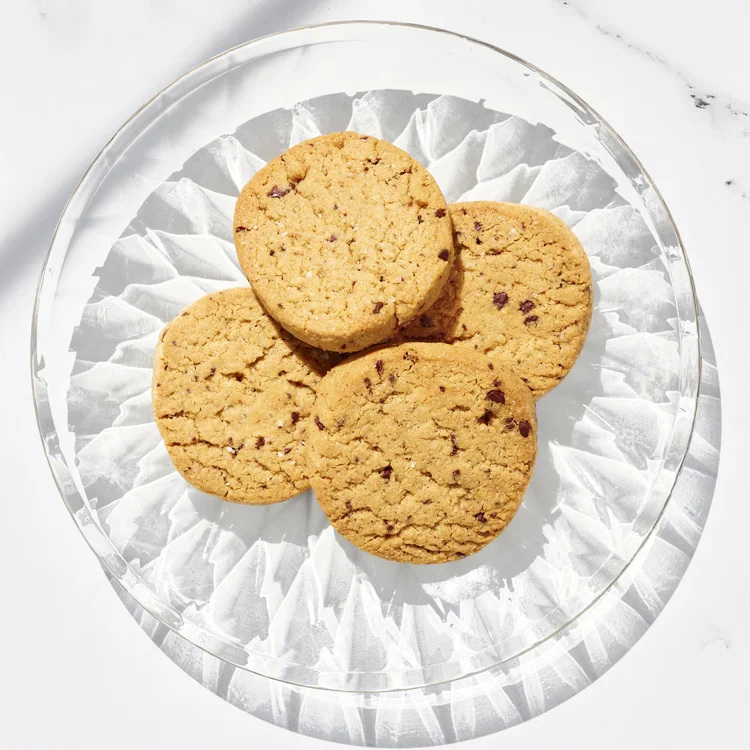
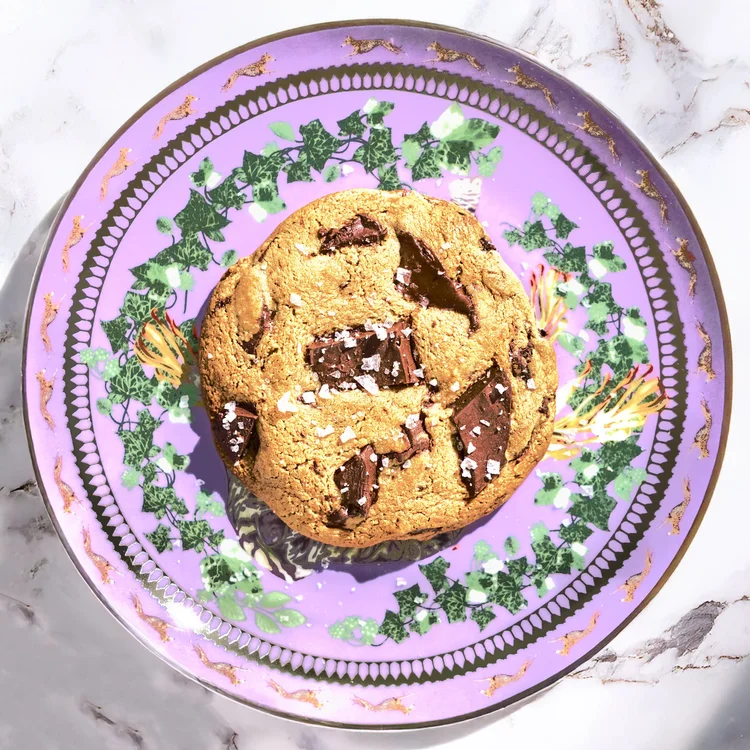
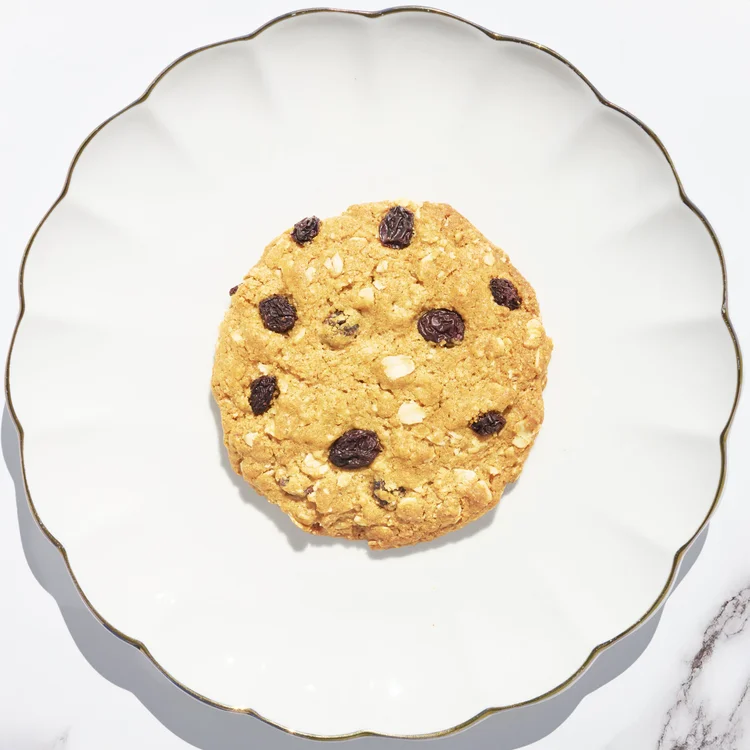
When a cookie recipe of ours asks you to chill the dough, that step is there for a reason. Our Slice and Bake Cookies are chilled as a log, so they slice into neat rounds and bake up even. For a classic drop cookie, our Chocolate Chunk Cookies and Oatmeal Raisin Cookies are a lovely place to try these tips. Cool butter, cool pans, a little patience, and you're set.
The Quick Recap
- Warm or melted butter is the most common reason cookies spread.
- Gluten-free flours absorb liquid slowly, so dough baked right away is wetter.
- Weigh your flour, since a light scoop can leave the dough short.
- Chill the dough, use cool pans, and line them with parchment.
- An oven thermometer shows if your oven runs cool.
- Swirl a cutter around warm, flat cookies to pull them back into shape.


This article is for general information and isn't medical advice. If you have celiac disease or another medical reason for eating gluten-free, your doctor or a registered dietitian is the best guide for your own needs.