Gluten-Free GuideWednesday
Why Is Gluten-Free Dough So Sticky? (and How to Work With It)
Sticky hands, sticky spatula, sticky everything? Here’s why gluten-free dough behaves this way, and the easy tricks that make it simple to handle.
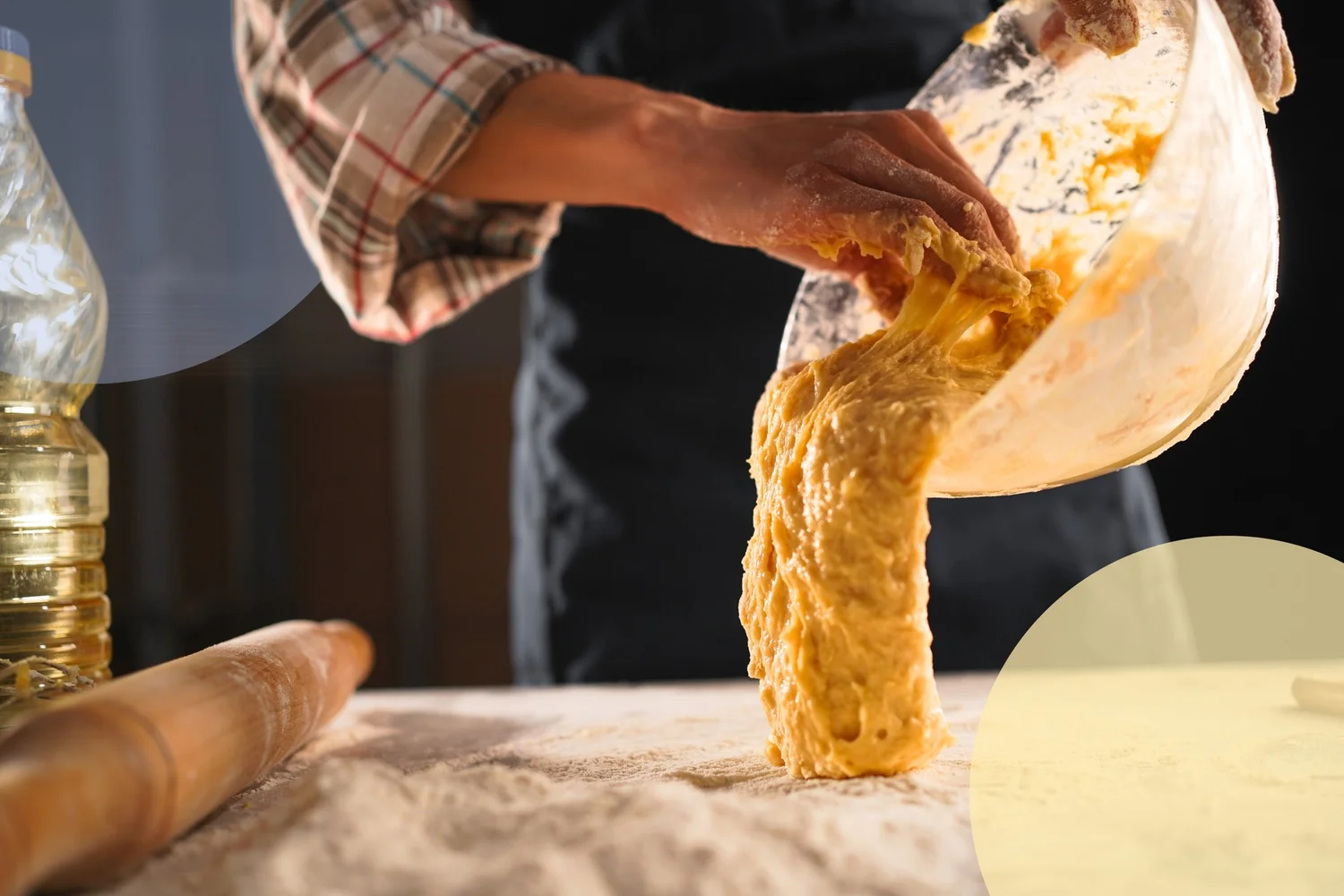
Gluten-free dough is sticky because there’s no gluten to hold moisture in a smooth, stretchy web, and many gluten-free recipes are written wetter on purpose so the bake doesn’t turn dry. Instead of adding more flour, let the dough rest, chill it, oil your hands, or roll it between sheets of parchment. Some doughs, like gluten-free pizza and focaccia, are meant to be very soft.
If you've ever mixed up a gluten-free dough and found it stuck to your hands, your spatula, the bowl, and somehow your elbow, you're in good company. Gluten-free doughs and batters are often stickier and wetter than the wheat versions most of us grew up with, and the first time it happens, it feels like something went wrong.
Usually, nothing did. That stickiness has a reason, and once you understand it, it's easy to work with. Here's what's going on and the simple tricks that make sticky dough a lot friendlier.
Why gluten-free dough is sticky
- There's no gluten to hold it together. In wheat dough, gluten forms a stretchy web that traps moisture and makes the dough smooth and easy to handle. Without it, the dough has less to grab onto. We explained more in What Does Gluten Actually Do?
- Gluten-free recipes often need more liquid. Rice flour, starches, and almond flour absorb water differently than wheat, so many gluten-free recipes are written wetter on purpose to keep the finished bake from turning dry and crumbly.
- The flour needs time to soak it up. Gluten-free flours, especially rice flour, take longer to absorb liquid. Right after mixing, a dough can feel much wetter than it will a little later.
- Starches get tacky. Starches like tapioca and potato are great for tenderness, but they can feel gummy and sticky while the dough is raw.
- Soft butter adds to it. When butter is creamed until light and fluffy, then mixed with sugar and flour, the dough can feel soft and sticky until it chills.
Don't add more flour (at least not right away)
The natural instinct is to keep adding flour until the dough feels "right." With gluten-free baking, that usually backfires. Extra flour throws off the balance of the recipe and can leave you with a dry, crumbly bake. Try the tricks below first. Most of the time, the dough was fine all along.
Good to Know
Weighing your flour helps a lot here. Gluten-free flours pack very differently, so a cup scooped one way can hold noticeably more than a cup scooped another way. Weighing in grams keeps your dough as wet as the recipe intended, no more and no less.
Tricks that make sticky dough easier
- Let it rest. Give the dough or batter 15 to 30 minutes after mixing so the flour can soak up the liquid. It often firms up on its own.
- Chill it. For cookie dough or pie dough made with butter, time in the fridge firms the butter back up and makes the dough much easier to scoop and roll. It also helps cookies spread less in the oven.
- Oil your hands. A little neutral oil or a dab of butter on your hands (or on food-safe gloves) keeps dough from sticking while you roll balls or press it into a pan.
- Wet your hands for bread dough. For very soft bread or pizza doughs, slightly damp or well-oiled fingers work better than flour for pressing and shaping.
- Roll between parchment. Instead of flouring the counter, roll pie and cookie dough between two sheets of parchment paper. Nothing sticks, and you don't add extra flour.
- Use a scoop. A cookie or ice cream scoop portions sticky dough neatly without it ever touching your hands.
- Use a spatula and a light touch. A silicone spatula moves sticky batter around far better than a wooden spoon.
When sticky is exactly right
Some gluten-free doughs are supposed to be very soft. Gluten-free pizza and focaccia doughs are often closer to a thick batter than a kneadable ball, and that's what gives them a light, airy crumb once baked. Yeast breads made in a bread machine can look surprisingly wet before they rise. If your recipe says the dough will be sticky, trust it.
How we handle it at Brimly
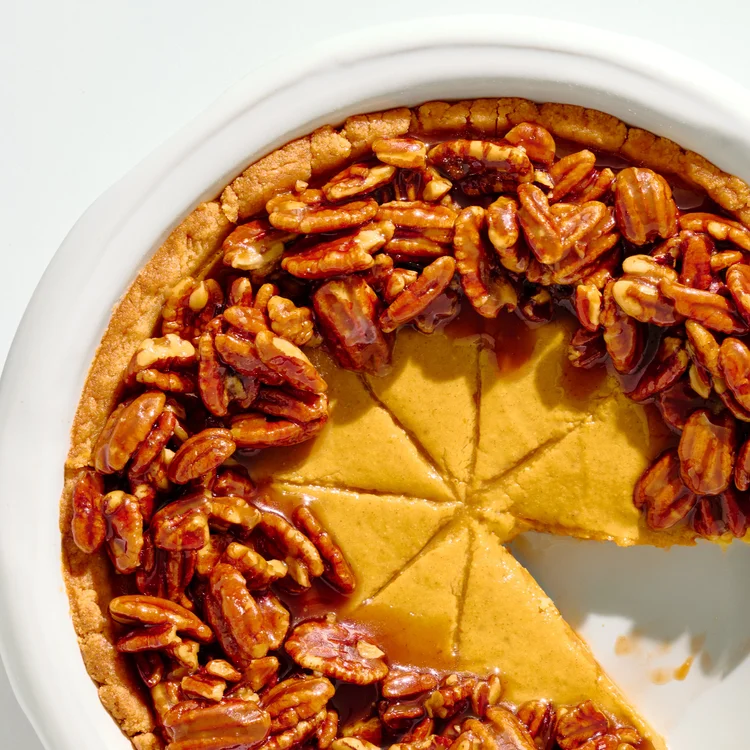
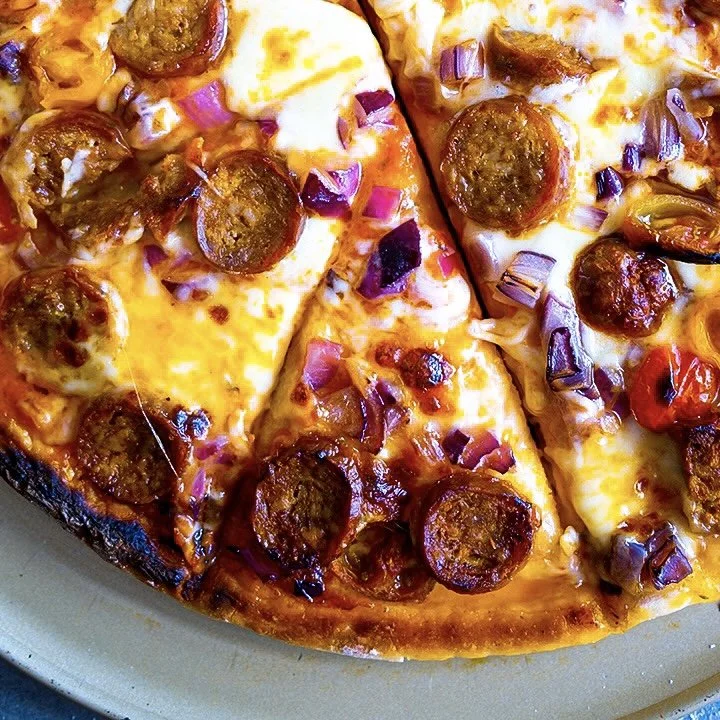
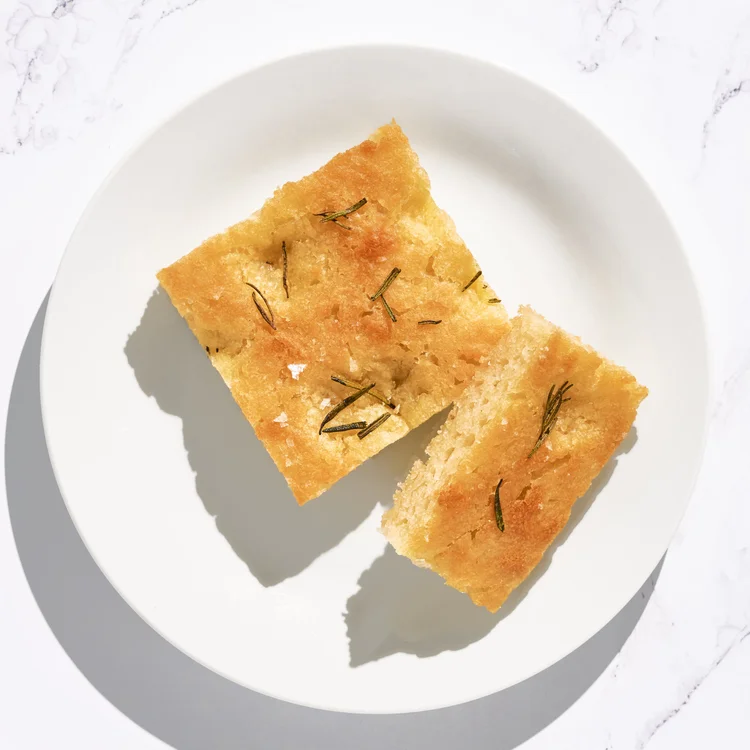
A lot of our recipes build these tricks right into the steps. Our Pumpkin Pie crust is rolled between parchment and flipped into the dish with a board, so you never have to lift a delicate dough with your hands. Our Sausage & Onion Pizza is pressed out with olive-oiled fingers right on its parchment, and our Rosemary Focaccia is meant to be soft and loose before it bakes. When a dough feels sticky, the steps will tell you what to do with it, so you never have to guess.
The Quick Recap
- Gluten-free dough is sticky because there’s no gluten network to hold moisture.
- Many gluten-free recipes are written wetter on purpose to avoid a dry, crumbly bake.
- Gluten-free flours take time to absorb liquid, so dough often firms up after resting.
- Avoid adding extra flour. Rest, chill, oil your hands, or roll between parchment instead.
- Weighing your flour keeps the dough as wet as the recipe intended.
- Some doughs, like pizza and focaccia, are supposed to be very soft.
This article is for general information and isn't medical advice. If you have celiac disease or another medical reason for eating gluten-free, your doctor or a registered dietitian is the best guide for your own needs.