Gluten-Free GuideMonday
Why Do Gluten-Free Bakes Go Stale So Fast? (and How to Keep Them Fresh)
Soft on day one, crumbly by day two? Here’s why gluten-free bakes firm up so quickly, and the simple ways to keep them fresh longer.
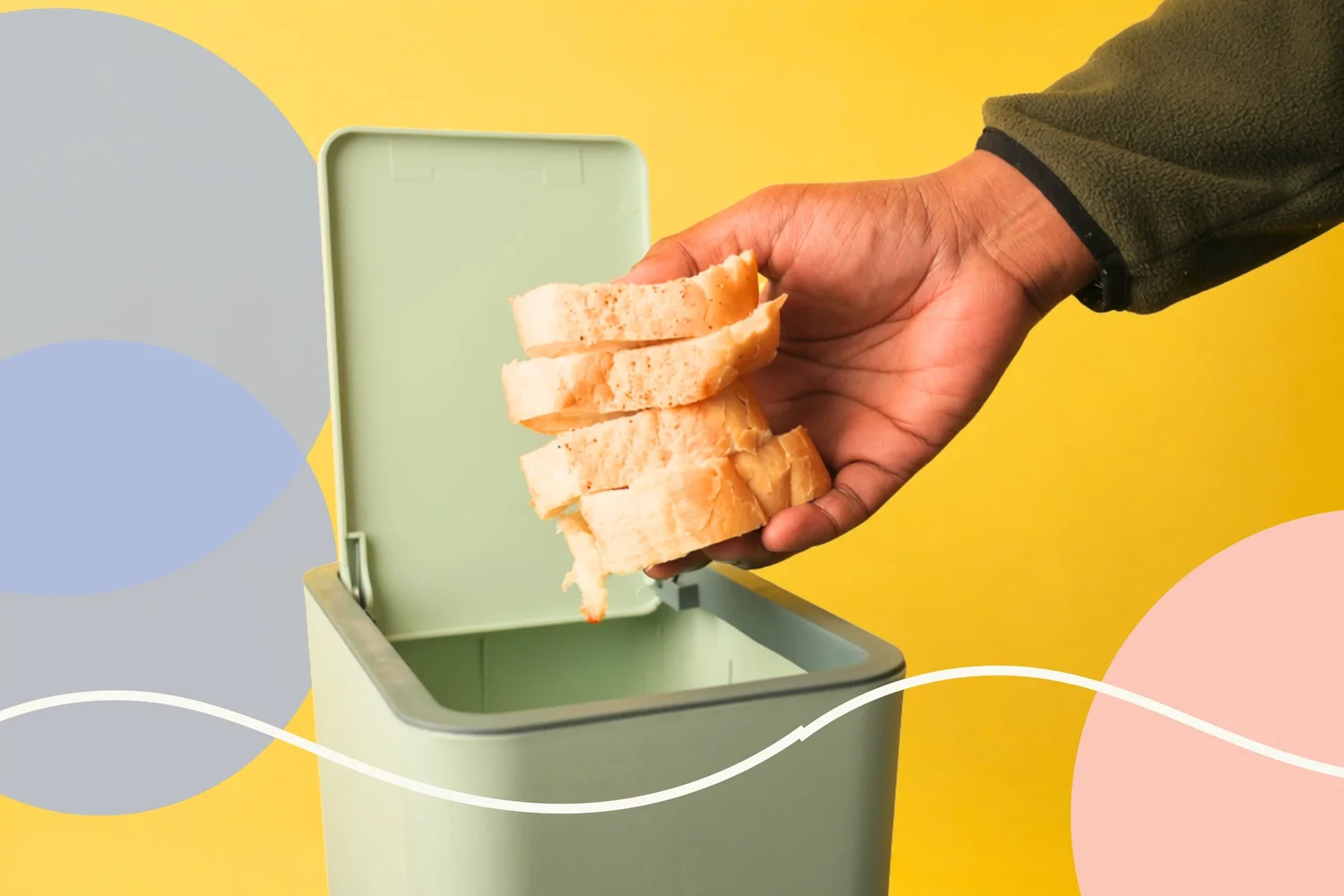
It’s mostly the starch. As any bake cools and sits, its starch slowly firms back up and pushes out moisture. Gluten-free bakes rely more heavily on starch and don’t have gluten’s stretchy network to hold onto water, so they firm up faster. To keep them fresh, wrap them airtight, keep them at room temp for a day or two, freeze the rest, and warm slices before eating to bring back their softness.
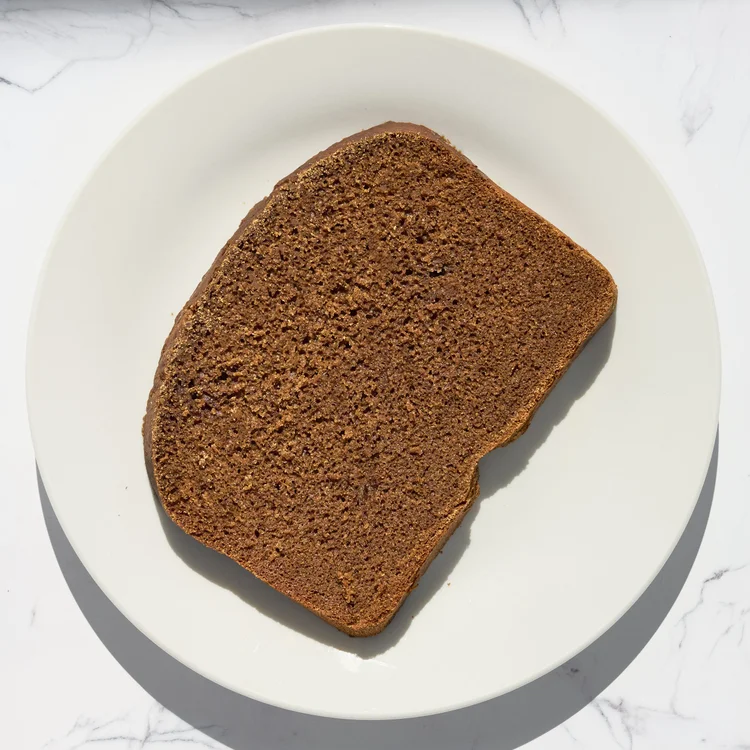
Every gluten-free baker knows this moment. The loaf that was soft and springy on day one turns firm and crumbly by day two, and the cake that tasted perfect last night feels a little tired by lunch. It's easy to assume the recipe went wrong.
Most of the time, it didn't. Gluten-free bakes really do go stale faster than wheat bakes, and the reason is mostly science. Once you know what's happening inside the crumb, it's simple to slow it down and even undo some of it.
Stale isn't the same as dry
It feels like stale bread has simply dried out, but there's more to it than that.
- In the oven, the starch in your flour soaks up water and swells. That's what turns a wet batter into a soft, tender crumb.
- As it cools and sits, that starch slowly firms back up into a tighter structure and squeezes water out. Bakers call this starch retrogradation.
- At the same time, moisture moves from the soft middle toward the crust and out into the air.
That's why a stale slice can feel firm and crumbly even when it isn't very dry, and why a little heat can bring it back to life.
Why gluten-free bakes stale faster
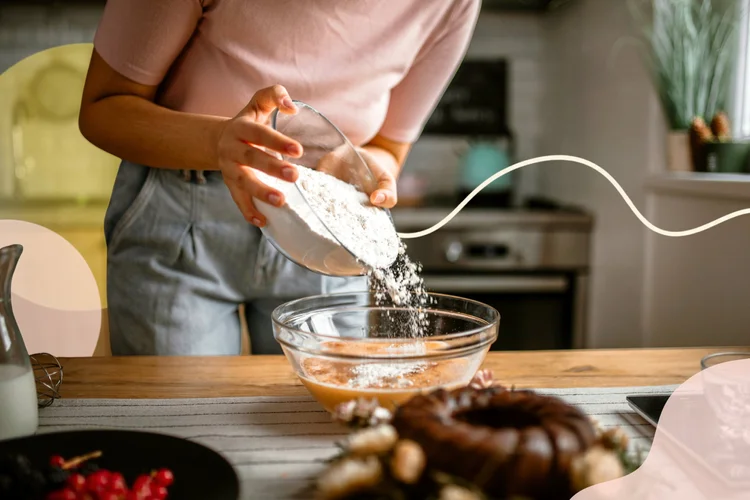
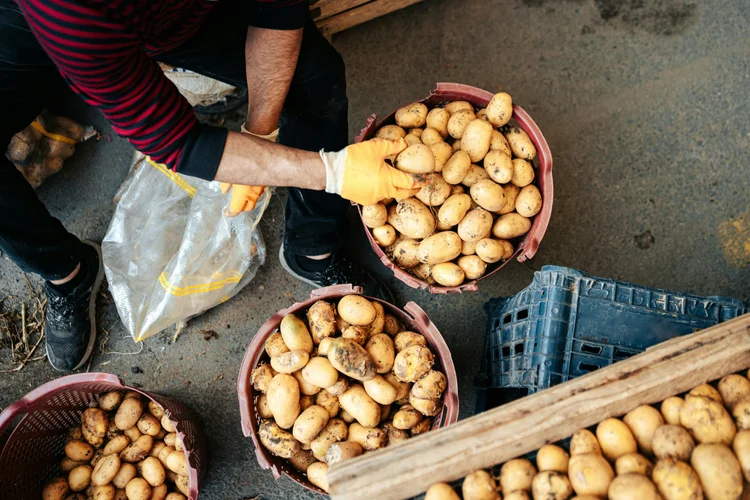
- They lean harder on starch. Most gluten-free blends are built on rice flour plus starches like potato, tapioca, and corn. More starch means more of the crumb is doing that firming-up process. We explained why starches matter so much in Why Starches Are A Gluten-Free Baking Secret.
- There's no gluten network. In wheat bakes, gluten forms a stretchy web that holds onto water and keeps the crumb flexible. Without it, moisture escapes more easily. There's more on that in What Does Gluten Actually Do?
- Rice flour firms up quickly. Rice flour is the base of many blends, and it's known for turning firm and a little gritty as it sits.
The fridge is a trade-off
This one surprises a lot of people. Starch firms up fastest at refrigerator temperatures, so a plain loaf of bread goes stale faster in the fridge than it does on the counter.
The fridge still has its place. It slows down mold, and it keeps bakes with moist or perishable ingredients safe for longer. Anything with cream cheese frosting, custard, whipped cream, or fresh fruit belongs in there. Just plan on warming a slice or letting it come back toward room temp before you eat it.
The freezer is different. It stops staling almost completely, which makes it the best place for anything you won't finish in a day or two.
Good to Know
Staling can be reversed, at least for a little while. Heat softens the starch again, so toasting a slice, warming it in the oven, or giving it a few seconds in the microwave wrapped in a damp paper towel brings back that fresh-baked texture. Eat it right away, though, because it firms up again as it cools.
What keeps a bake soft longer
Some ingredients are great at holding onto moisture, so bakes that include them stay fresh noticeably longer.
- Fat. Butter and oil coat the starch and slow down firming.
- Sugar, honey, and molasses. They hold onto water, which is why sweeter, richer bakes keep better than lean ones.
- Eggs. They add moisture and help the crumb stay tender.
- Yogurt, sour cream, and fruit purées. Banana, pumpkin, and applesauce all add moisture that lingers.
- Almond flour. Its natural fat and moisture keep cakes and cookies soft for days.
How to store gluten-free bakes
- Cool completely before wrapping. Wrapping something warm traps steam, which makes the crust soggy and invites mold.
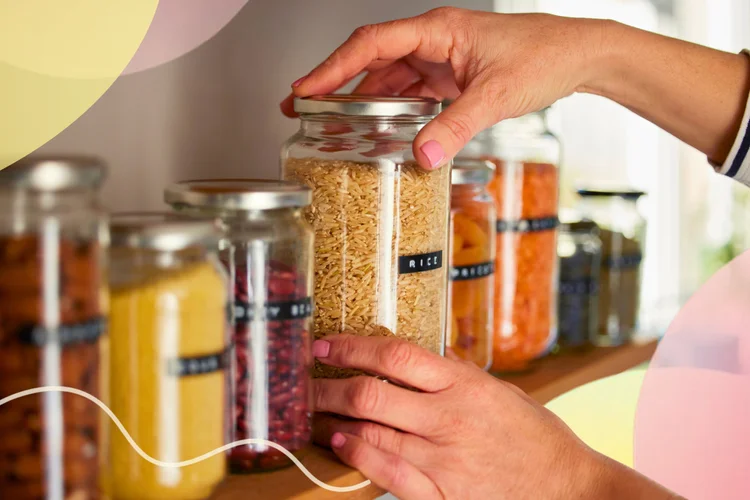
- Keep it airtight. A sealed container or bag slows moisture loss more than anything else you can do.
- Room temp for a day or two. This is the sweet spot for most breads, cakes, and cookies.
- Slice before you freeze. Put a piece of parchment between slices so you can pull out exactly what you need.
- Toast or warm straight from frozen. There's no need to thaw bread first.
- Store crisp and soft bakes separately. Soft cookies will make crisp ones go limp if they share a container.
How we handle it at Brimly
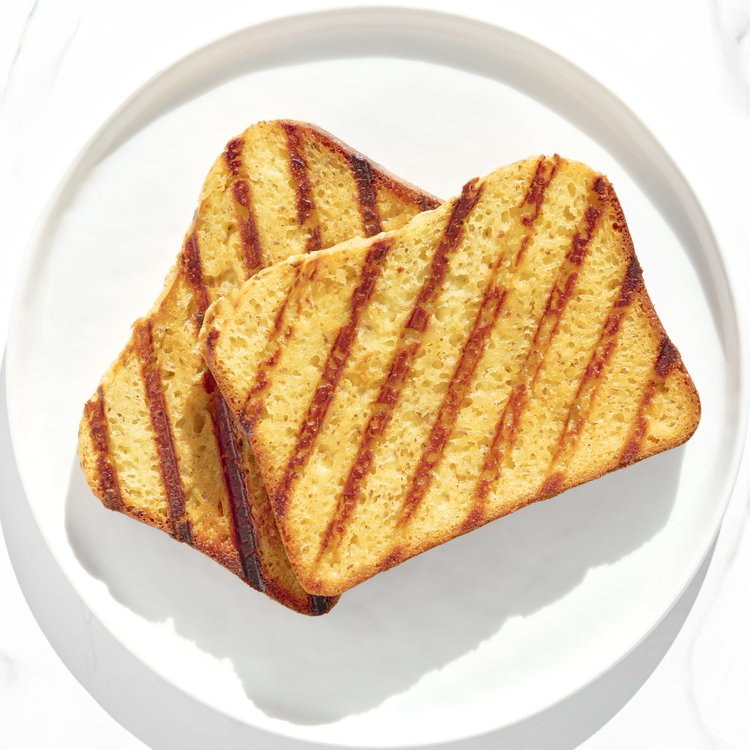
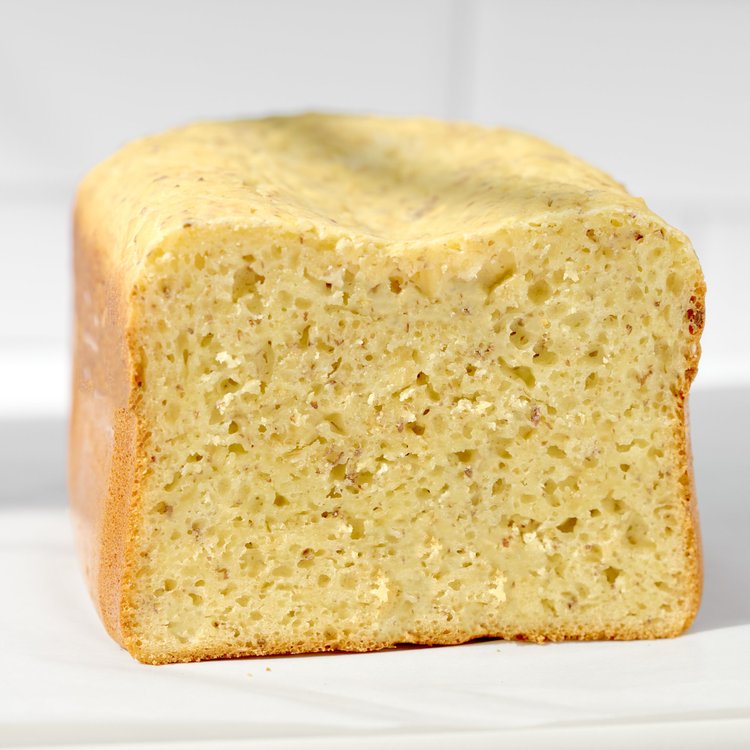
Every recipe on Brimly ends with its own storage note, written for that specific bake, so that's always the best place to start. You'll notice that our bread notes, like the ones for our Gluten-Free Good Bread and Honey Oat Loaf, suggest reheating or toasting slices as needed. Now you know why. That little bit of heat is what brings the softness back.
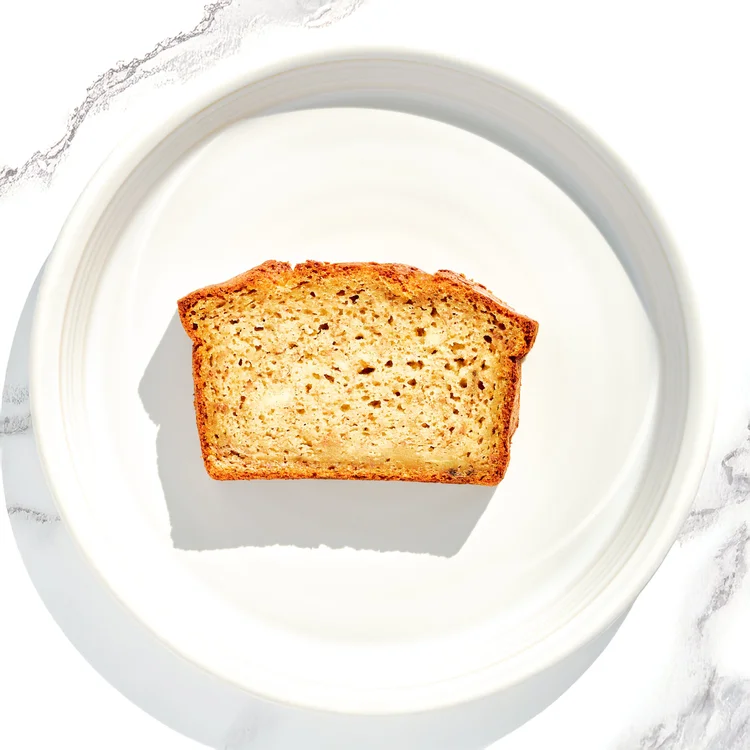
A lot of our recipes are also built to keep well from the start. Our Bakery Style Banana Bread and Vanilla Pound Cake lean on butter, sugar, and eggs, so they stay tender for days. And when a bake does start to firm up, a warm slice with a little butter is honestly one of the best ways to eat it.
The Quick Recap
- Stale isn’t only dry. Starch firms back up as a bake sits, which makes the crumb firm and crumbly.
- Gluten-free bakes stale faster because they use more starch and have no gluten network to hold water.
- The fridge makes plain breads go stale faster, but it’s the right place for perishable bakes.
- The freezer stops staling almost completely. Slice first, then freeze.
- Heat reverses staling for a while, so toast or warm slices and eat them right away.
- Fat, sugar, eggs, yogurt, fruit purées, and almond flour all help bakes stay soft longer.
This article is for general information and isn't medical advice. If you have celiac disease or another medical reason for eating gluten-free, your doctor or a registered dietitian is the best guide for your own needs.