Room TemperatureFriday
I Thought I Had Been Glutened. It Was the Gums.
A recipe is something you consume. It deserves the same reading you give a label.
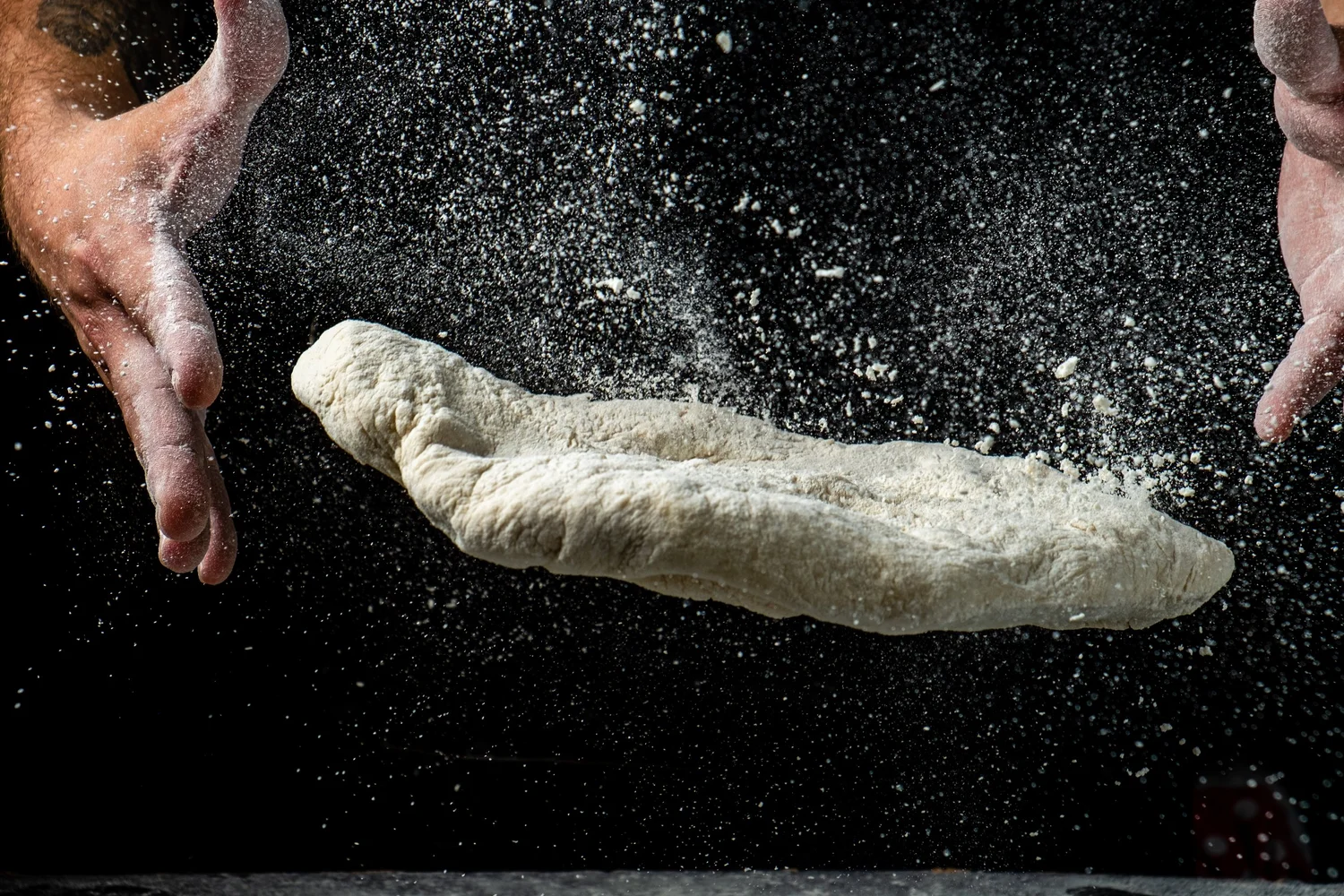
When I first started baking gluten-free, I had a reaction that was worse than anything gluten had ever done to me.
And I couldn’t work out where it came from. I had cut out the thing I was supposed to cut out. I was baking everything myself, from recipes written by people who do this for a living. And I was still unwell.
So I did what you do. I got stricter. I cut more things out. I read labels until my eyes crossed. I started suspecting the oats, then the pan, then the oven.
It was the gums.
Xanthan gum, mostly. I’d been using it the way everybody uses it, which is to say without thinking about it even once. It was on every ingredient list I came across. When every gluten-free baker you can find is reaching for the same tub, it doesn’t occur to you that the tub might be the thing.
I’ve met enough people with this exact story since to stop calling it my own bad luck. Months, sometimes years, spent certain you’re still being glutened, narrowing and narrowing what you eat, when the thing making you unwell is the binder you bought to replace the gluten.
I don’t think anybody put it there to hurt us. It works. The photos come out right. For most people writing those recipes it goes down perfectly fine, so the question never comes up. That is a very ordinary way to end up somewhere nobody meant to go.
Somebody is still holding the bill, though.
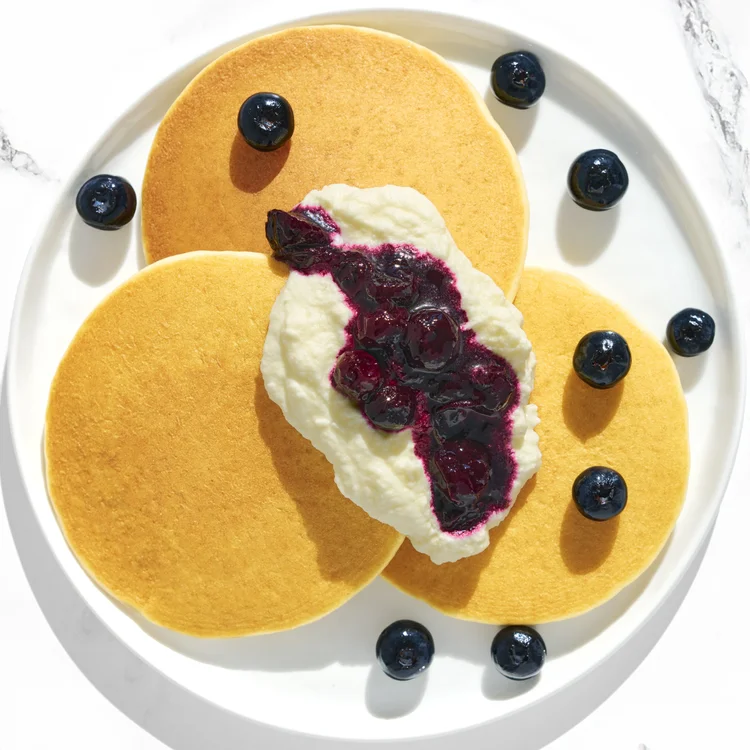 From the Recipe BoxGluten-Free Stovetop PancakesSee the Recipe →
Here is what I think is actually going on.
Gums are in gluten-free baking because we are trying to imitate gluten. That is the whole job. Put back the stretch, the pull, the chew. Everything we lost.
And I get the impulse, I had it too. I’ve just come round to thinking the imitation is the mistake.
You can’t expect oat milk and whole milk to behave the same way. Nobody stands over a cup of oat milk disappointed that it isn’t dairy. We let it be what it is. Somehow gluten-free baking never got that permission.
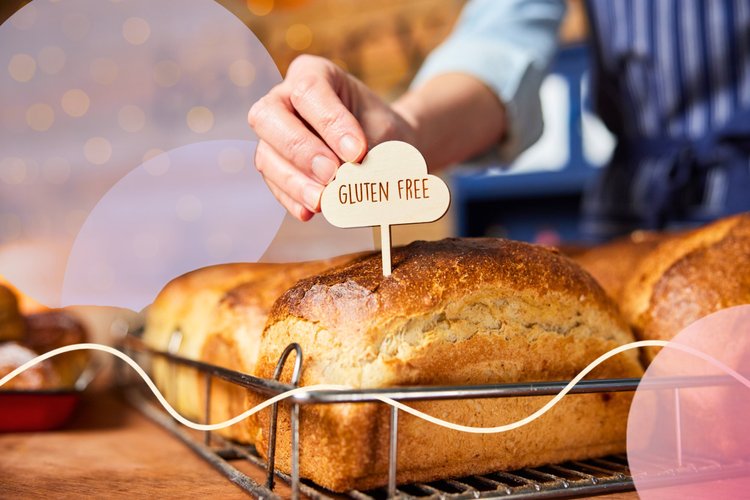
Look at what traditional bread actually asks for. Flour, salt, yeast, water, maybe a little oil. Five things, and some of the best bread in the world comes out of that list. Then open a gluten-free loaf recipe and watch the ingredients run down the page, full of things you’d struggle to describe to somebody if they asked.
And it didn't have to go that way. Somebody did it like that first, it worked well enough, and the rest of us followed.
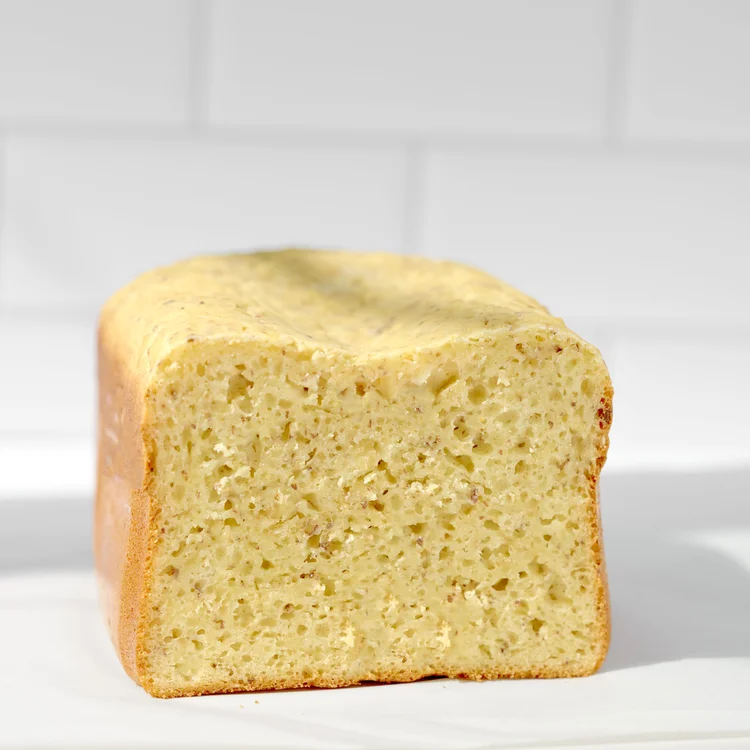 From the Recipe BoxGluten-Free Honey Oat LoafSee the Recipe →
You can watch the same thing happen on a shelf, too. Find a brand that makes a regular version and a gluten-free version of the same product, and turn both boxes over. The regular one is almost always the shorter list. The gluten-free one is where everything extra shows up, because something has to stand in for what was taken out. Same company, same day, making the simpler thing for everybody else.
And because this kind of baking is genuinely new, we don’t have decades of people eating this way to look back on. Bread is a batter now. You pour it into a tin. That is a strange and recent thing, and the honest answer about what a daily habit of gums does to a body over twenty years is that nobody knows, because nobody has been doing it for twenty years.
I would rather not find out the hard way. I’d rather you didn’t either.
There is one more thing I keep turning over, and I think it is the part nobody says.
We are good at being suspicious of packaged food. We read the back of the box. We put things back on the shelf. We have all got opinions about what the big brands are doing to their products.
Then we go home, open a recipe on a laptop, and copy somebody’s ingredient list onto a shopping list without blinking.
A recipe is something you consume. The only difference is that you are the one in the aisle buying the parts and putting them together. You are still eating what somebody else decided should go in. If you would read the label, read the recipe.
And most of the people reading these recipes are not browsing. They are online looking for something they can safely eat, often fairly desperate about it, and they are taking whatever comes up first on trust. I know, because that was me.
So the thing I would ask is this. Digest it in your head before you digest it in your body. A thought you can go back on. A week of feeling awful you cannot.
That is really the whole thing. We don’t use gums at Brimly, and it has cost me. There are bakes I have given up on entirely. Textures I cannot get and have stopped chasing. Recipes that take four times as long to land because I will not reach for the one line that would fix them.
I have made my peace with that, because the alternative is handing you something I already know what it did to me.
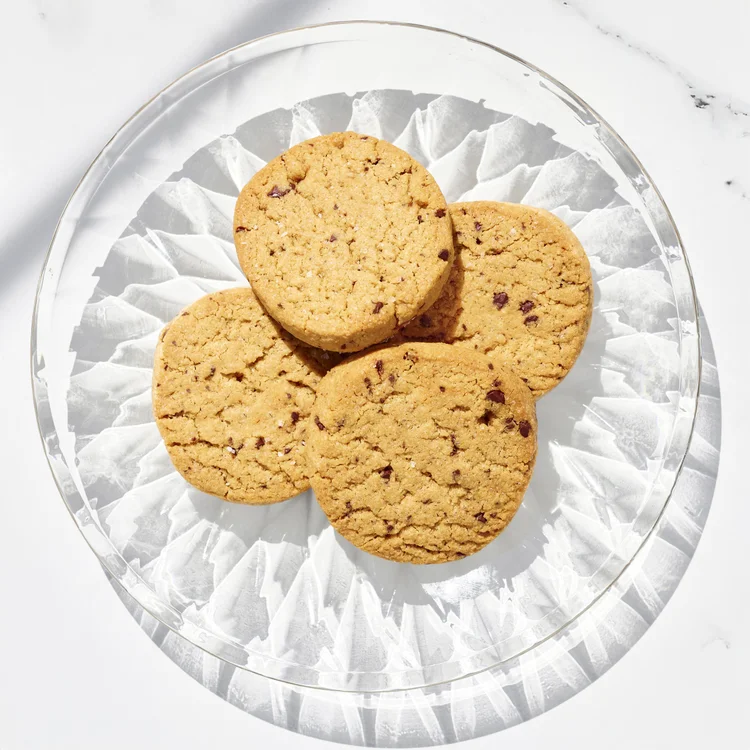 From the Recipe BoxGluten-Free Slice and Bake CookiesSee the Recipe →
What I will say plainly is this. Gluten-free certifies one thing. It tells you about gluten. It does not tell you what else is in the tub, where it came from, or what your particular body is going to make of it.
So if you have cut gluten and you are still not right, and you have spent a while assuming it must just be you, I would start with your ingredient list. Not the labels on the shelf. The list in the recipe you trusted.
There is a practical argument here too, and it is not a small one. Gluten-free ingredients cost considerably more. You are already paying a premium to eat this way. You may as well know what you are paying for, and spend it with the handful of brands doing the harder version. There are a few of them. I buy from the same ones over and over, because they made the same call I did.
It might be nothing. It wasn’t nothing for me.
One More Thing!
If this is your story too, I want to hear it. How long did it take you to work out what was actually causing it? And what did you have to give up along the way to find out?
Write to me. I read every one, and I suspect there are more of us than anybody realises.
Thanks for reading, and see you next Friday.
Write to me at hello@brimly.co. Past issues are archived here.
Stephnie Grace is a recipe developer, editor, and co-founder of Brimly, specializing in gluten-free, soy-free, and gum-free baking. She writes Room Temperature, which lands every Friday.