Gluten-Free GuideWednesday
Why Is My Gluten-Free Cake Gummy? (and How to Fix It)
Golden on the outside, dense and damp in the middle? Here’s why gluten-free cakes turn gummy, and how to get a light crumb all the way through.
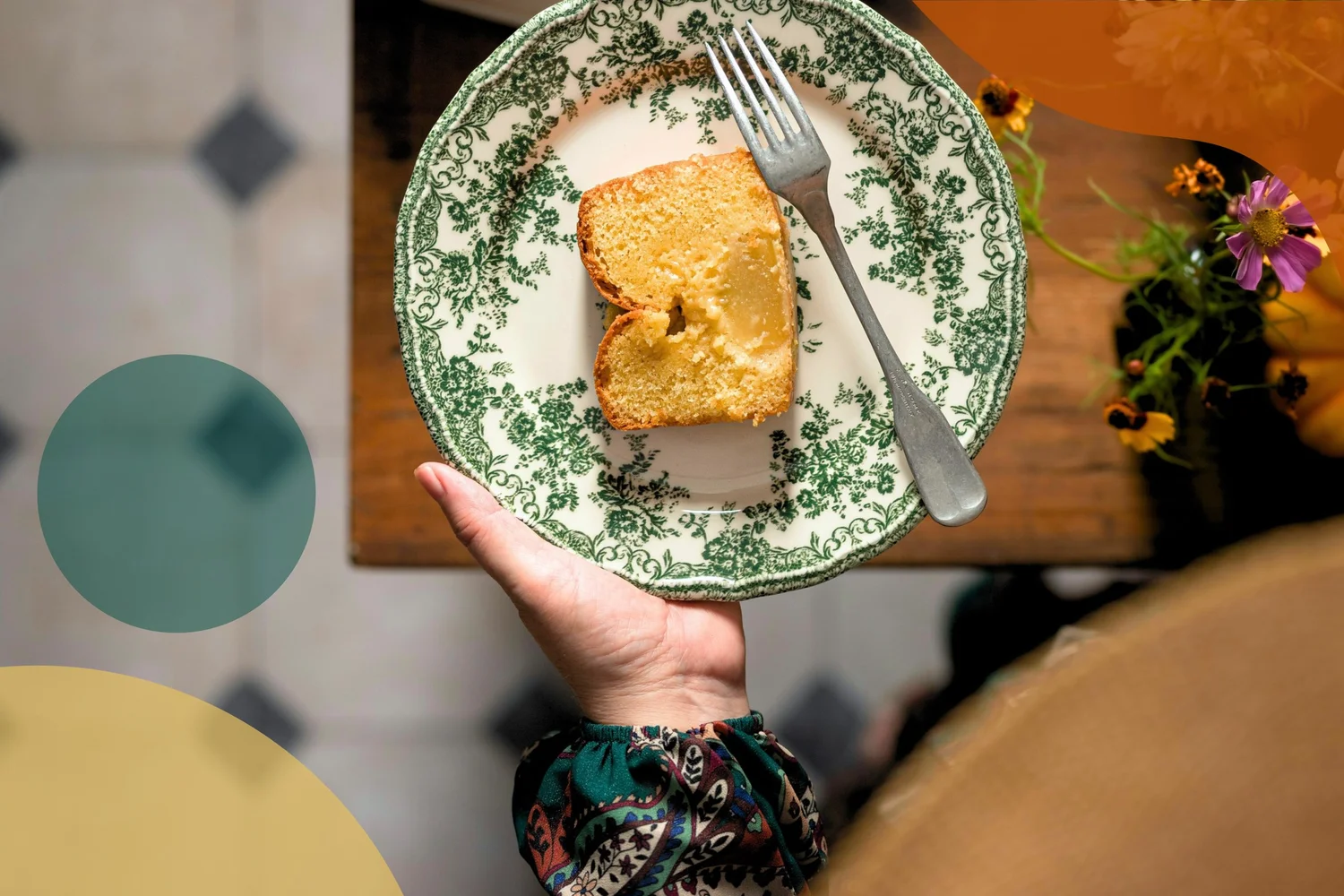
A gummy gluten-free cake is usually a little underbaked, sliced while still warm, or made with flour that was measured light. Bake until a skewer in the center comes out clean or the middle reaches about 200 to 210°F, let the cake cool completely before cutting, and weigh your flour. Too much starch or very wet add-ins can also make the crumb heavy.
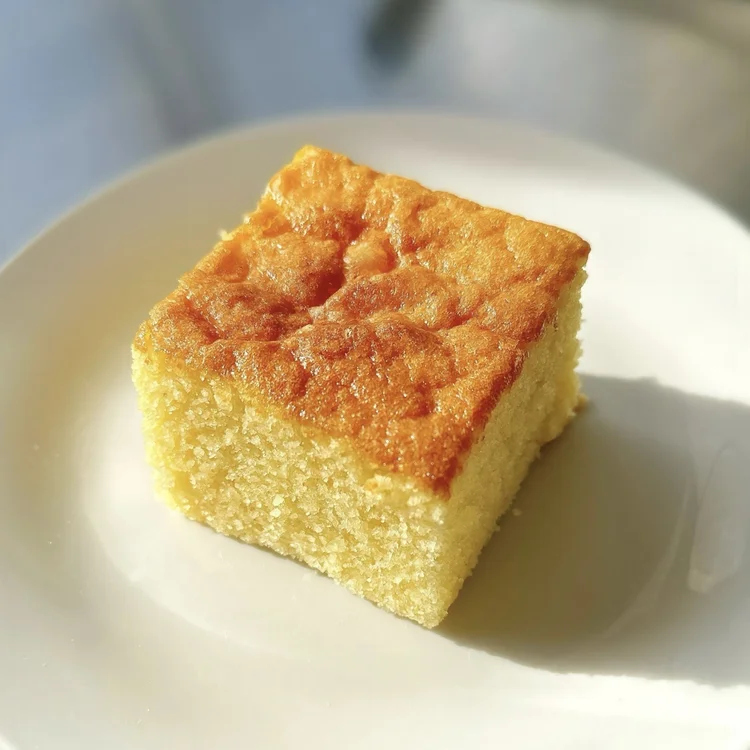
The cake looks perfect. It's tall, golden, and smells amazing. Then you cut into it, and right in the middle there's a dense, damp, almost rubbery band that never quite turned into cake. It's one of the most common problems in gluten-free baking, and one of the most frustrating.
The good news is that a gummy cake is almost always fixable. Most of the time it comes down to baking, cooling, or measuring, not the recipe itself. Here's what causes it and how to get a light, even crumb all the way through.
Why gluten-free cake turns gummy
- It's a little underbaked. This is the most common cause. Gluten-free cakes often look done on the outside before the middle has fully set, especially in deep pans like loaf and bundt pans.
- It was cut too soon. Starches keep setting as a cake cools. Slice a gluten-free cake while it's still warm and the middle can feel gummy, even if it would have been perfect an hour later.
- The flour was measured light. Too little flour for the amount of liquid leaves the batter too wet to bake through.
- There's a lot of starch. Starches like tapioca and potato starch make gluten-free cakes tender, but too much of them can turn the crumb chewy and gummy. We explained more in Why Starches Are a Gluten-Free Baking Secret.
- Wet add-ins. Mashed banana, pumpkin purée, yogurt, and fruit add lovely moisture, but they also make the batter heavier and slower to bake in the center.
- The oven runs hot. A hot oven browns the outside quickly, so the cake looks ready long before the middle has caught up.
How to fix a gummy cake
- Bake it a few minutes longer. Go by the cake, not just the timer. The top should spring back when you press it, and a toothpick or skewer pushed into the very center should come out clean or with a few dry crumbs.
- Try a thermometer. An instant-read thermometer takes the guessing out of it. Most butter cakes are done at about 200 to 210°F (93 to 99°C) in the center.
- Cover the top if it browns early. Lay a loose sheet of foil over the pan so the outside doesn't darken while the middle finishes baking.
- Let it cool completely. Give the cake at least an hour, or until it's fully cool, before slicing. Bundt and loaf cakes especially need the time.
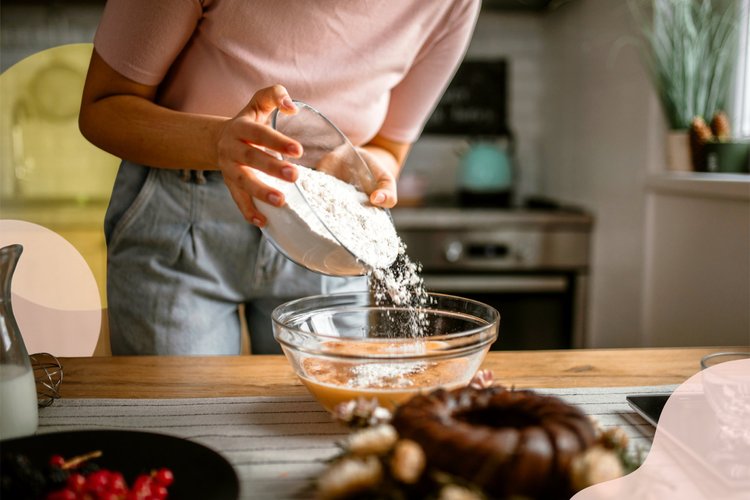
- Weigh your flour. A scale keeps the balance of flour and liquid exactly where the recipe wants it.
- Use the pan the recipe calls for. A smaller or deeper pan means a thicker cake that takes longer to bake through.
- Check your oven. An oven thermometer will show if your oven runs hot or cool.
Good to Know
Moist and gummy aren't the same thing. A moist cake feels soft and tender and springs back. A gummy cake feels dense, wet, and pasty, and often sinks a little in the middle. If your slice is soft and holds together nicely, that's exactly what you want.
If it's already baked
If you've cut into a cake and the middle is gummy, you can sometimes rescue it. Put it back in the pan and return it to the oven at the same temperature for 10 to 15 minutes, covered loosely with foil. If it's already fully cooled, slice it and toast the slices in a dry pan or under the broiler. A slightly gummy cake also makes a great base for a trifle or cake pops.
How we bake ours at Brimly
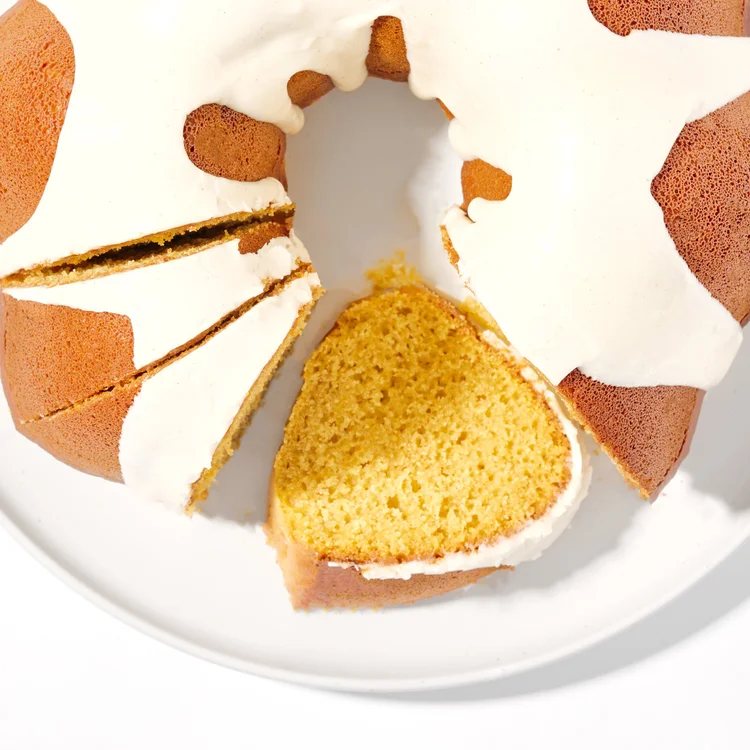
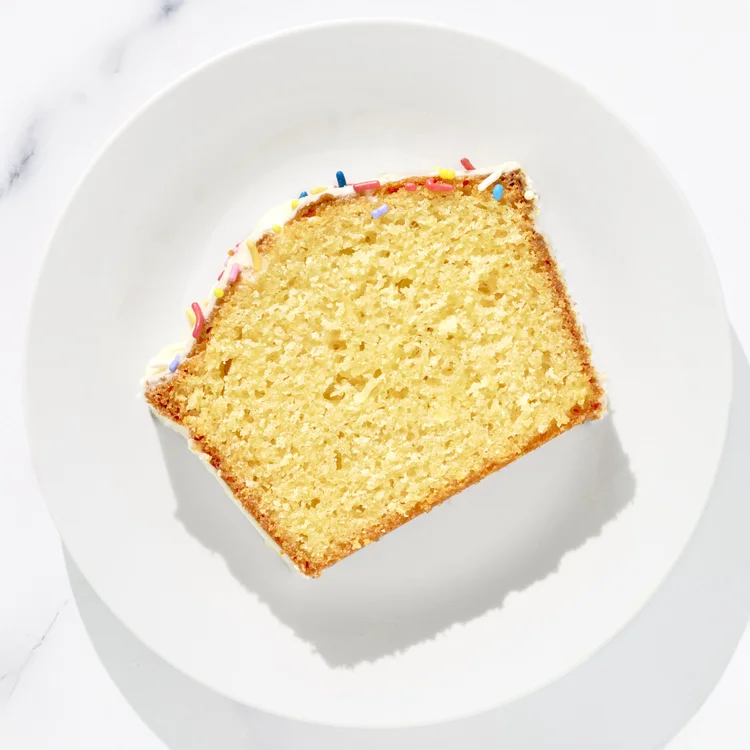
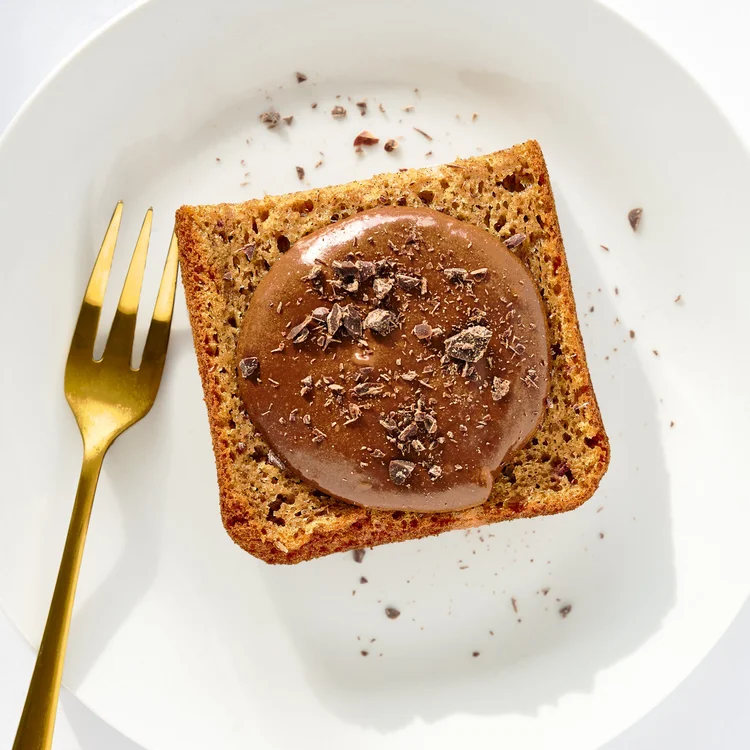
Our Pumpkin Bundt Cake is a good example. It's a deep cake full of pumpkin purée, so the recipe has you test it with a toothpick in the thickest part, then let it cool completely before glazing. Our Vanilla Loaf Cake and Banana Snacking Cake are great places to practice too. Bake until the center is set, then wait. It's hard, but the cake is always better for it.
The Quick Recap
- Underbaking is the most common cause of a gummy middle.
- Starches keep setting as a cake cools, so let it cool completely before slicing.
- Weigh your flour to keep the flour and liquid in balance.
- Wet add-ins like banana and pumpkin make the center slower to bake.
- Use a skewer or thermometer to check the center, and cover the top with foil if it browns early.
- An underbaked cake can often go back in the oven for 10 to 15 minutes.

This article is for general information and isn't medical advice. If you have celiac disease or another medical reason for eating gluten-free, your doctor or a registered dietitian is the best guide for your own needs.